Technique
How to melt cheese
Heating cheese gently so it softens into a smooth, pourable or stretchy state. Go low and slow. Grate it fine. Add a little liquid and a pinch of starch to keep it smooth.

Step by step
How to melt cheese smoothly
- Step 1. Grate the cheese finely. Toss it with a small pinch of cornstarch (about 1 tsp per 8 oz).
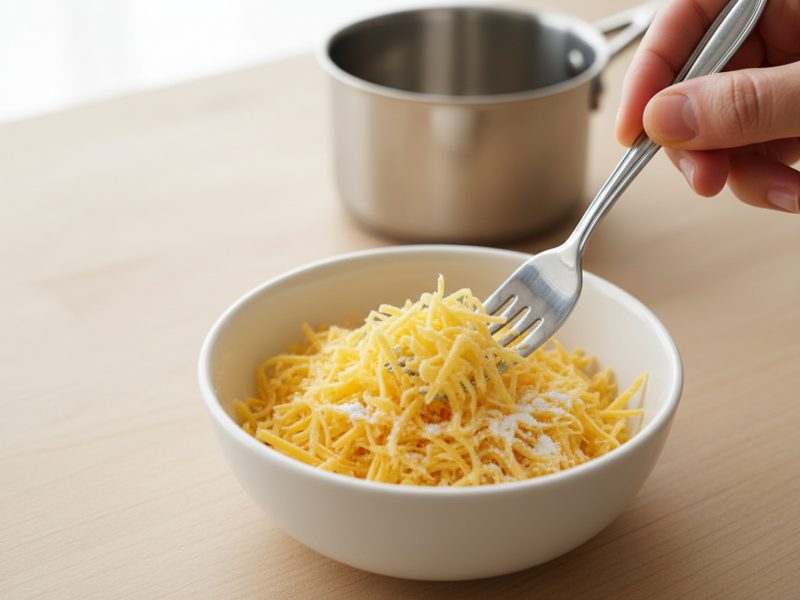
- Step 2. Warm a splash of milk, cream, or broth in a small saucepan over low heat until steaming, not boiling.
- Step 3. Sprinkle in a small handful of cheese at a time. Stir with a whisk until mostly melted before adding more.
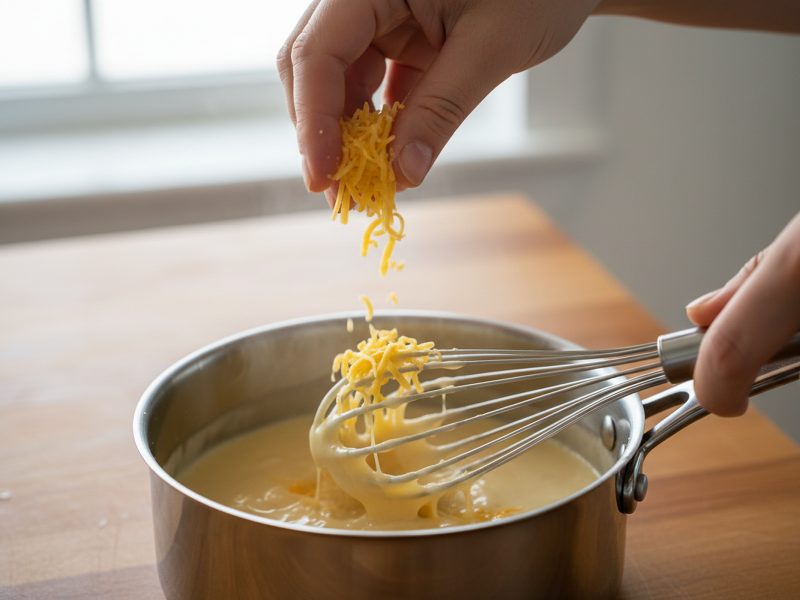
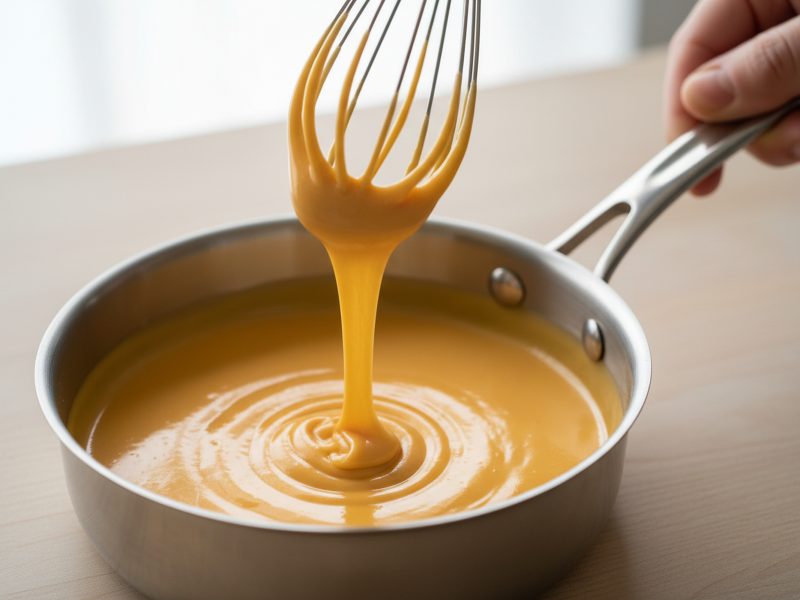
- Step 4. Keep the heat low. If it starts to bubble, lower the heat and keep stirring until smooth and glossy.
- Step 5. Microwave option: Put cheese in a microwave-safe bowl with a splash of milk. Heat 15–20 seconds, stir, and repeat just until melted.
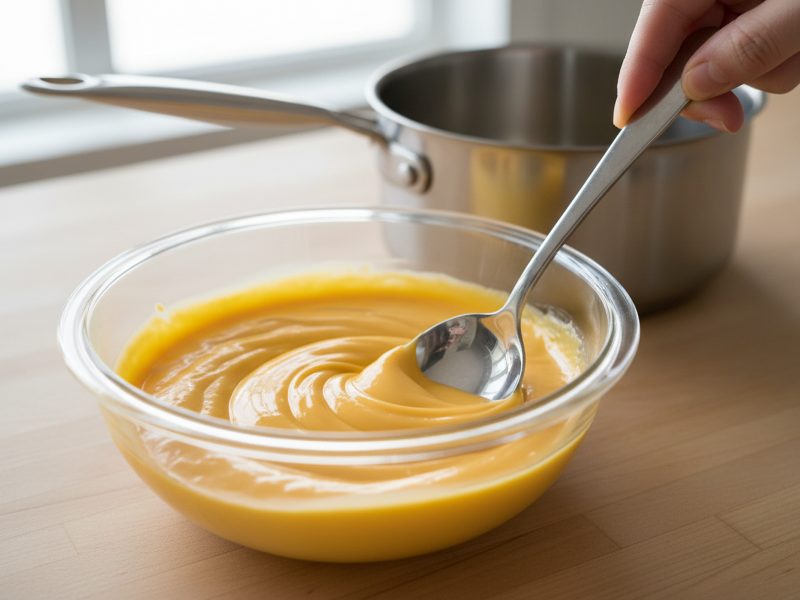


How you know it worked
- Cheese looks smooth and glossy, not greasy.
- No large shreds remain; it flows or stretches.
- Sauce coats a spoon in a thin, even film.
- You can stir without seeing oil pool on top.
Troubleshooting
Common mistakes when you melt cheese
| What goes wrong | Fix |
|---|---|
| Overheating makes cheese break and go oily or grainy. | Use low heat. Pull the pan off heat and whisk in a splash of warm liquid to bring it back. |
| Using pre-shredded cheese results in clumps or a grainy texture. | Grate cheese from a block for the smoothest results. Pre-shredded cheese is coated with anti-caking powders that keep it from melting well. |
| Adding all the cheese at once forms lumps. | Add in small handfuls, stirring between additions. |
| Using a dry, aged cheese that doesn’t melt well for a sauce. | Blend with a good melter (American, Monterey Jack, young cheddar, gouda) or use it just for finishing. |
| Fresh mozzarella releases water and makes sauce watery. | Pat it dry and melt gently, or use low-moisture mozzarella for smoother melting. |
Tools
What you need
Melt Cheese recipes
Recipes that use this technique
1 recipe

FAQ
Common questions
Can you just melt cheese?
Yes - use low heat and stir. For smoother results (especially in sauces), add a little liquid and a pinch of cornstarch so it doesn’t get oily or stringy.
Can you melt Laughing Cow cheese?
Yes, Laughing Cow cheese melts easily into a creamy sauce. It is a processed cheese with stabilizers that help it melt smoothly. Warm it gently in a saucepan or in the microwave in short intervals, stirring often.
How do I melt cheese in a microwave?
Put the cheese in a microwave-safe bowl with a splash of milk. Heat 15 to 20 seconds, stir, and repeat until just melted. Stop as soon as it’s smooth to avoid separating.
Which cheeses don't melt well?
Very aged, dry, and crumbly cheeses resist melting: Parmesan, Pecorino Romano, aged cheddar, feta, cotija, paneer, and queso fresco. They’re better grated on top or warmed, not turned into a sauce.
What is the easiest cheese to melt?
High-moisture, young cheeses melt easily: American, Monterey Jack, young gouda, low-moisture mozzarella, Gruyère, and young cheddar.
What do Mexicans call melted cheese?
Queso fundido (also called queso flameado) is a skillet of melted cheese, often with chorizo, served with warm tortillas. For a pourable dip, many call it queso.