Technique
How to saute greens
Cook leafy greens quickly in a hot pan with a little oil until just wilted and tender. Dry the greens well. Cook over medium-high heat in batches. Season with salt and a squeeze of lemon or vinegar at the end.

Step by step
How to sauté greens
- Step 1. Wash the greens and dry them very well.
- Step 2. Heat 1 to 2 tablespoons oil in a hot 12-inch skillet over medium-high.
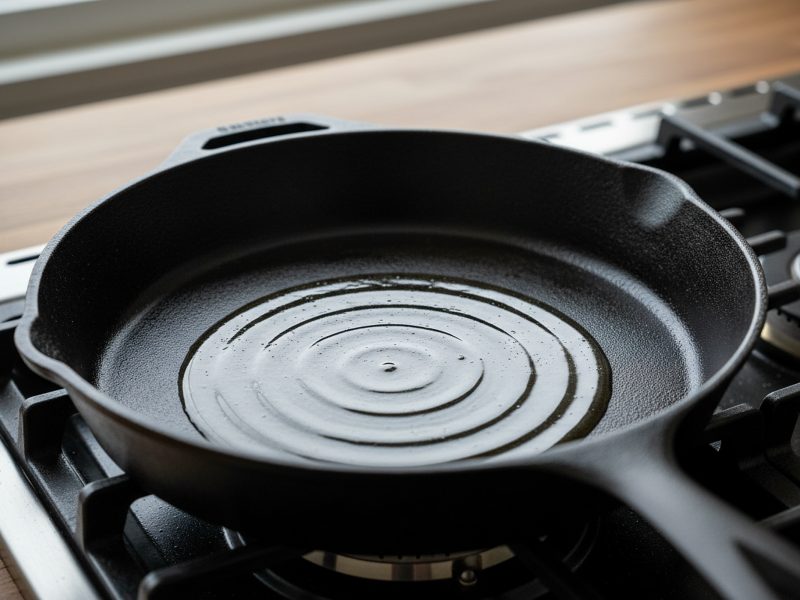
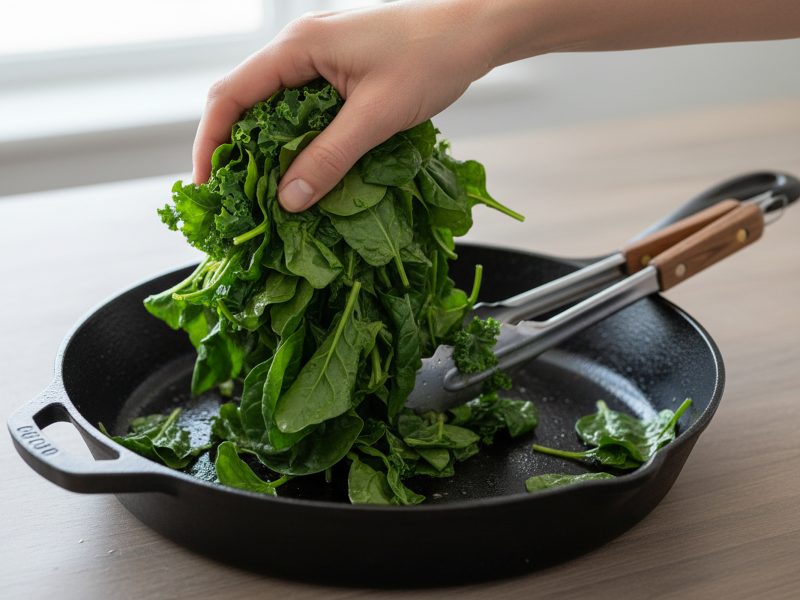
- Step 3. Add a big handful of greens. Toss with tongs until wilted, then add more.
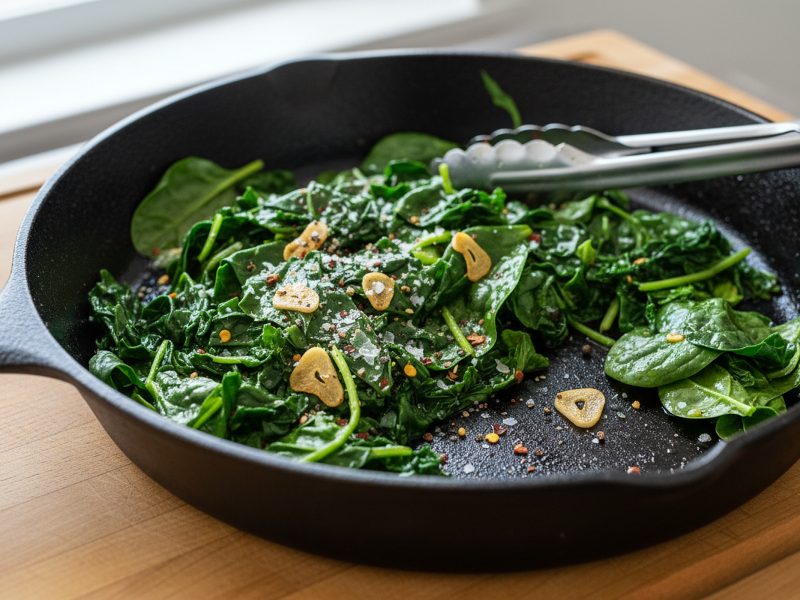
- Step 4. Season with salt, pepper, and optional garlic or red pepper flakes.
- Step 5. Cook until the greens are tender and bright, then finish with lemon or vinegar.
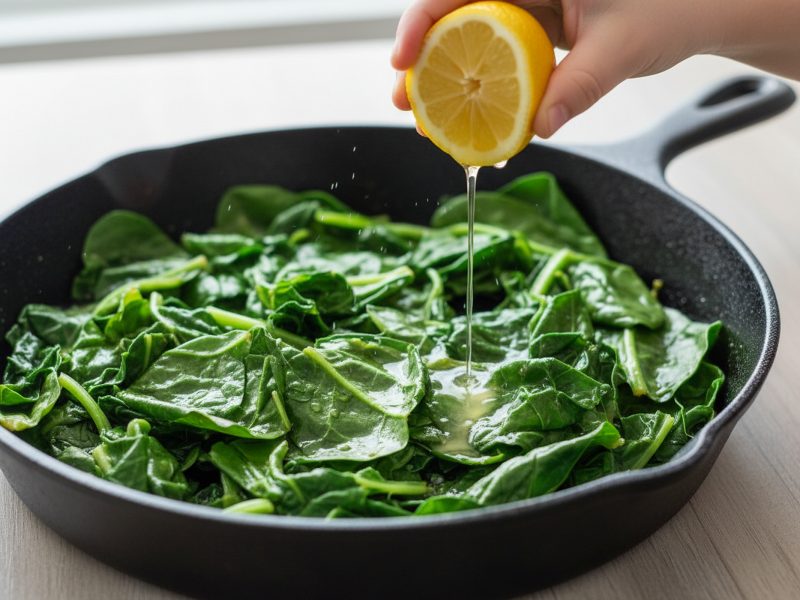


How you know it worked
- Greens shrink dramatically and look glossy.
- Color is bright, not dull olive.
- Stems are crisp-tender when you bite them.
- No watery puddle in the pan; moisture has mostly cooked off.
Troubleshooting
Common mistakes when you saute greens
| What goes wrong | Fix |
|---|---|
| Pan is crowded, so the greens steam and turn dull. | Cook in batches. Give the greens direct contact with the pan. |
| Greens go in wet and sputter or turn soggy. | Spin or pat very dry before cooking. |
| Garlic burns and tastes bitter. | Add garlic after the first batch wilts, or lower the heat briefly. |
| Overcooked greens taste flat and mushy. | Stop when just tender and bright; add acid and salt to wake up flavor. |
| Not enough heat, so greens leak water. | Preheat the pan and oil until shimmering before adding greens. |
Tools
What you need
Saute Greens recipes
Recipes that use this technique
1 recipe

FAQ
Common questions
How do you cook greens on the stove?
Heat 1 to 2 tbsp olive oil in a large skillet over medium-high until shimmering. Add dried greens by the handful, tossing with tongs. Season with salt and pepper. Cook 2 to 5 minutes, adding more greens as the first batch wilts. Finish with 1 to 2 tsp lemon juice or vinegar.
What is the healthiest way to cook greens?
Sauté quickly in a little olive oil over medium-high heat until just tender, then finish with acid and salt. This uses minimal oil, keeps texture, and preserves color. Avoid long boils that leach flavor and nutrients; if stems are thick, briefly steam them with a lid for 1 to 2 minutes first.
Is it better to sauté veggies in oil or butter?
Use oil for higher heat and clean flavor. Olive, avocado, or canola oil work well. For butter flavor, cook in oil, then add 1 tbsp butter at the end off heat so it doesn’t burn. Clarified butter (ghee) also tolerates higher heat.
What vegetables are considered greens?
Leafy greens include spinach, kale, collards, Swiss chard, mustard greens, turnip greens, beet greens, broccoli rabe (rapini), bok choy, escarole, and cabbage. Tender herbs (parsley, cilantro) wilt fast; add them at the end.
Can I sauté mixed greens?
Yes. Pair similar textures. Start sturdier greens (collards, kale, chard stems) first for 2 to 3 minutes, then add tender ones (spinach, chard leaves) and cook just until wilted. Season and finish with lemon or vinegar.
How do you make sautéed greens less bitter?
Balance bitterness with salt, acid, and a little fat or sweetness. Season generously with salt, and finish with a squeeze of lemon juice or a splash of vinegar. For very bitter greens like mustard greens or broccoli rabe, a pinch of sugar or a drizzle of honey can also help. Blanching sturdy, bitter greens for 1 minute in boiling salted water before sautéing also reduces bitterness.
What does 'sauté' mean in cooking?
Sauté means to cook food quickly in a small amount of fat over relatively high heat. It comes from the French verb sauter, which means to jump, referring to the way food is tossed in the pan.