Equipment · Knives
Sharp Knife
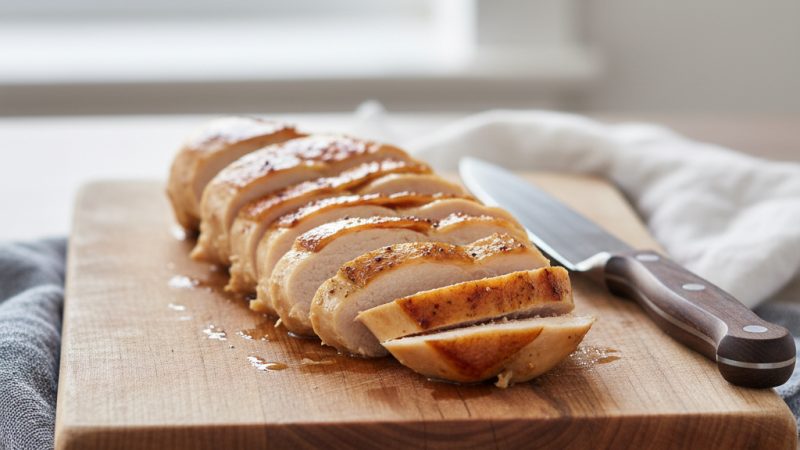
A sharpened kitchen knife that slices cleanly and safely. Hone before you start, use a stable cutting board, and keep your fingers in a claw grip.
carbon steel
stainless steel (softer)
Sharp Knife recipes
What to make with a sharp knife
6 recipes


Size
Which size sharp knife do you need?
| Size | Cooking surface | Fits | Good for |
|---|---|---|---|
| 3½-inch paring | Small blade; agile tip | Peels, trims, cores; small fruits and garlic | - |
| 6-inch utility | Mid-size blade | Slicing tomatoes, sandwiches, cheese; small onions | - |
| 8-inch chef’s | All-purpose blade; curved belly | Dices 1 to 2 onions, chops herbs, slices proteins | - |
| 7-inch Santoku | Shorter, wider blade; flatter belly; often has dimples | Chopping vegetables, thin slicing; an alternative to a chef’s knife | Dimples (kullens) can help food release from the blade. |
| 10-inch chef’s | Longer, heavier blade | Large squash, big cabbage; long slices on roasts | More reach and weight; needs more board space. |
| 8–10-inch serrated (bread) | Toothy edge | Bread, tomatoes, citrus; foods with tough outsides and soft insides | - |
Materials
High-carbon stainless steel, carbon steel, stainless steel (softer) or ceramic?
| Compare | High-carbon stainless steel | Carbon steel | Stainless steel (softer) | Ceramic |
|---|---|---|---|---|
| Care | Dry after washing; hone often; sharpen as needed | Wash and dry right away; wipe with a drop of oil for storage; avoid acidic residue sitting on the blade | Hone before use; sharpen a bit more often | Use on wood or plastic boards only; no twisting; sharpen with diamond tools when needed |
| Best for | Balanced choice for home cooks: holds an edge, resists rust, easy care | Takes a very sharp edge and sharpens quickly; can patina or rust | Rust-resistant and budget-friendly; needs more frequent honing | Very sharp and light; won’t rust; brittle and can chip |
Care
How to clean and care for a sharp knife
Steel
- Hand-wash right after use; dry fully.
- Hone the edge with a honing steel before you start cutting.
- Sharpen when honing no longer restores bite.
- Store on a magnetic strip or in a block/guard; never loose in a drawer.
- Use wood or plastic boards; avoid glass, stone or ceramic boards.
Carbon steel
- Wash and dry immediately after cutting, especially after acidic foods.
- Wipe a thin coat of neutral oil on the blade for storage.
- Expect a gray patina; that’s normal protection.
Ceramic
- Do not pry, twist or cut bones or frozen foods.
- Avoid dropping; chips and breaks are common.
- Sharpen only with diamond abrasives or send out.
Techniques
Get the most out of your sharp knife
Each technique has one short video. The same clip plays inside every recipe step that uses it.
No sharp knife?
What to use instead of a sharp knife
| Instead | What changes |
|---|---|
| Serrated knife | Saw through bread and tomatoes when your straight-edge is dull. |
| Kitchen shears | Snip herbs, trim chicken and cut parchment with control. |
| Mandoline slicer | Fast, uniform slices; use the hand guard. |
| Food processor | Pulse to chop onions or make sauces; pieces are less uniform. |
| Bench scraper | Move chopped food without dulling your blade on the board. |
Buying
What to look for
- An 8-inch chef’s knife as your first knife
- Comfortable, secure handle that fits your hand
- Blade steel that resists rust (high-carbon stainless)
- A thin, even edge you can hone and sharpen
- Full-tang or sturdy, well-secured handle construction
- Comes with or fits a blade guard for drawer storage
Affiliate links are always labeled. RecipeTag may earn a commission, which never changes what we recommend.
FAQ
Sharp Knife questions
How sharp is a stone knife?
Obsidian (volcanic glass) stone blades can be far sharper than steel under a microscope, but they are brittle and not suited to daily kitchen work. For cooking, a sharpened steel chef’s knife is safer and more practical.
What are the cheapest knives?
Basic stamped paring knives often cost the least and work well. If you’re on a budget, buy one good 8-inch chef’s knife and add a cheap paring and a serrated bread knife.
Are pull-through sharpeners bad for knives?
Some are aggressive and can remove a lot of steel or set the wrong angle. They’re okay in a pinch on inexpensive knives. For best results, use a honing steel often and sharpen with whetstones or a quality guided system.
Is there a 0 sharpness knife?
A dull knife with a rounded edge effectively has “zero” sharpness. If it crushes tomatoes or slips on onions, hone it; if that fails, sharpen it.
What's the sharpest knife ever?
Specialized blades like obsidian scalpels and lab microtome blades are sharper than kitchen steel, but they’re fragile and not food-safe tools. In the kitchen, a well-sharpened steel knife at the right angle is what you want.
What's the sharpest angle for a knife?
For kitchen knives, 15°–20° per side (30°–40° inclusive) is a reliable range. Thinner (about 15°) cuts easier but needs gentler use; thicker (about 20°) is sturdier.
Is Zwilling or Henckels better?
They are two brands from the same company. Zwilling (two-person logo) is the premium line, while Henckels (one-person logo) is the value line. Choose based on how the knife feels in your hand, the blade steel, and your budget.
What is the #1 knife brand?
There isn’t one best brand for everyone. Choose a knife that feels secure in your hand, holds an edge, and fits your budget. Many reputable makers meet those needs.
Can you over sharpen a knife?
Yes. Removing too much steel shortens blade life, and powered grinders can overheat edges. Hone often; sharpen only when honing no longer restores bite.
Is WD-40 good for cleaning knives?
No for food-use knives. WD-40 isn’t a food-safe cleaner. Wash with dish soap and water, dry fully, and oil with a food-safe oil if needed (especially on carbon steel).
Does washing sharp knives in a dishwasher dull them?
Yes. Dishwashers bang blades against racks and other items, use harsh detergents, and trap moisture. Hand-wash and dry right away to keep edges sharper longer.
Related
