Ingredient · Vinegar
Balsamic Vinegar
Dark, sweet-tart vinegar made from cooked grape must. Traditional styles are syrupy; everyday bottles are thinner and brighter. Read the label: for fuller flavor, look for grape must listed before wine vinegar. Thicker isn’t always better - some brands add caramel or thickeners.

Balsamic Vinegar recipes
What to cook with balsamic vinegar
1 recipe

Forms and products
Which balsamic vinegar should you buy?
| Form | Type | Best for |
|---|---|---|
| Traditional dop | Product | Sipping, drizzling over steaks, cheeses, strawberries; finishing only. Labeled Aceto Balsamico Tradizionale DOP; long-aged and very concentrated |
| Modena igp | Product | Dressings, marinades, pan sauces; everyday cooking. Labeled Aceto Balsamico di Modena IGP; a blend of grape must and wine vinegar |
| Condimento | Product | Finishing and salads; quality varies by brand. Often mostly grape must; not a regulated term |
| White balsamic | Product | Light-colored dressings, pan sauces, quick pickles. Made from lightly cooked or filtered must; milder and paler |
| Glaze | Product | Drizzling on grilled meats, vegetables, pizza, strawberries. Pre-thickened; some have sugar or starch. Check the label |
| Reduction | Preparation | A quick, shiny drizzle for meats, veggies and bruschetta |
Traditional (DOP)
Protected term from Modena or Reggio Emilia. Aged in wood for years. Small bottles, very thick, complex, and used by the drop.
Balsamic of Modena (IGP)
Most supermarket balsamic. Blend of cooked grape must and wine vinegar, sometimes caramel for color. Good all-purpose choice.
Condimento
Non-regulated style. Often high in grape must and lightly aged; quality ranges from everyday to near-traditional.
White balsamic
Golden and gentler. Similar sweet-acid balance without dark color; great where you want less browning or staining.
Balsamic glaze
Reduced balsamic (with or without added sugar) until syrupy. Sold ready-to-use or made at home.
Buy and store
How to pick and store balsamic vinegar
At the store
- Scan the ingredients: grape must should come first for richer flavor. Fewer additives usually mean better taste.
- For salads and cooking, choose IGP balsamic you like the taste of straight from a spoon.
- For finishing, buy small, well-made bottles (condimento or Traditional DOP). Use sparingly.
- Pick glass bottles with intact seals. Avoid dusty bottles with crystal buildup on the cap.
| How it's kept | Where | About how long |
|---|---|---|
| Unopened bottle | Cool, dark cupboard | At least 1 year; often much longer |
| Opened bottle | Cool, dark cupboard with cap tightly closed | Best flavor for 12 to 18 months |
| Balsamic glaze (bottled) | Cupboard after opening unless label says refrigerate | Follow the label; usually several months |
| Homemade reduction | Fridge, airtight container | About 1 to 2 weeks |
| Sediment or crystals | Bottom of bottle | Harmless; strain if you like |
Food safety. Balsamic’s acidity discourages harmful bacteria. Cloudiness, sediment, or mild crystals are normal. If it smells off, has mold at the mouth, or tastes fizzy, discard.
Prep
How to use balsamic vinegar
Each technique has one short video. The same clip plays inside every recipe step that uses it.
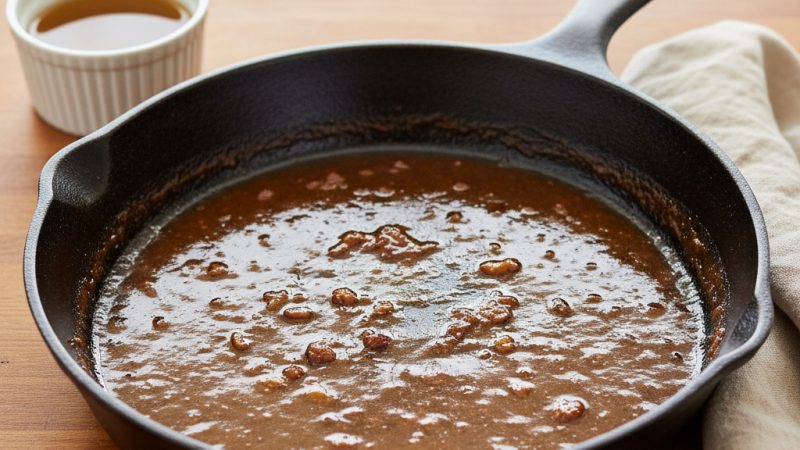
Techniques
Tools that help
Equipment links may become affiliate links, always labeled as such.
Substitutes
Out of balsamic vinegar? Use this instead
| Substitute | For 1 tbsp | What to know |
|---|---|---|
| Red Wine Vinegar | 1 tbsp + 1 tsp brown sugar | Closest bright, winey acidity; sugar adds balsamic’s mild sweetness. |
| Sherry Vinegar | 1 tbsp + 1 tsp sugar | Rounder and nutty; sweeten to balance like balsamic. |
| Apple Cider Vinegar | 1 tbsp + 1 to 2 tsp maple syrup | Fruity base; maple brings depth similar to cooked grape must. |
| Pomegranate Molasses | 2 tsp + 1 tsp water | Tart-sweet and syrupy. Thin slightly; stronger fruit notes than balsamic. |
| Worcestershire Sauce | 2 tsp + 1 tsp red wine vinegar | Savory and tangy; not a match for all uses and contains anchovies in most brands. |
Nutrition and allergens
Nutrition per tbsp
Per tbsp (15 g)
| Calories | 13 |
| Carbohydrates | 3 g |
| Protein | 0.1 g |
| Fat | 0 g |
| Sodium | 3 mg (1% DV) |
| Vitamin C | 0 mg (1% DV) |
Calculated from USDA FoodData Central.
Allergens and diets
- Not a major US allergen
Not one of the nine major allergens. Many brands contain sulfites naturally or added as a preservative - check the label if sensitive. - Fodmap: low
Small servings (about 1 tbsp) are typically tolerated; larger amounts add more sugars. - Blends
Some glazes have added sugar, starch, or caramel color. Read labels if you need gluten-free or low-sugar products.
Flavor pairings
What goes with balsamic vinegar


FAQ
Balsamic Vinegar questions
Is there alcohol in balsamic vinegar?
Finished balsamic vinegar contains essentially no alcohol. During fermentation, bacteria convert the alcohol from grape juice into acetic acid. Any trace amount left is negligible and evaporates quickly when you cook with the vinegar.
What’s the difference between Traditional DOP, IGP, and white balsamic?
Traditional DOP is long‑aged, very thick, and used by the drop to finish dishes. IGP (Modena) is blended and great for everyday cooking and salads. White balsamic is lighter in color and milder; use when you want sweetness and acidity without darkening foods.
How do I make a quick balsamic glaze?
Simmer balsamic in a small saucepan over low heat until it lightly coats a spoon; it thickens more as it cools. For sweeter glaze, add 1 to 2 teaspoons sugar or honey per ½ cup vinegar. Don’t boil hard - gentle heat prevents bitterness.
Do you need to refrigerate balsamic vinegar after opening?
No. Store tightly closed in a cool, dark cupboard. Refrigeration isn’t needed and can make it too viscous. Chill only homemade reductions to keep quality longer, and follow labels for bottled glazes. Keep the cap clean to prevent residue and off smells.
Does balsamic vinegar go bad or expire?
It rarely spoils because it’s acidic. Over time, flavor can flatten and a harmless sediment or tiny tartrate crystals may form. If it smells off, looks moldy at the mouth, or tastes strangely sharp or fizzy, replace the bottle.
What is a good substitute for balsamic vinegar?
Mix 1 tablespoon red wine or sherry vinegar with 1 teaspoon sugar for dressings and pan sauces. Apple cider vinegar with a little maple syrup works too. For a syrupy finish, reduce the mix briefly, or use a touch of pomegranate molasses thinned with water.