Ingredient · Spirits
Dark Rum
Sugarcane spirit aged longer or colored darker than light or gold rum. Tastes of caramel, vanilla, molasses and oak. For flan and baking, use an 80‑proof dark or aged rum (not spiced). 1 tbsp gives a clear rum note; 2 to 3 tbsp is strong.

Dark Rum recipes
What to cook with dark rum
1 recipe

Forms and products
Which dark rum should you buy?
| Form | Type | Best for |
|---|---|---|
| Dark | Product | Baking (flan, cakes), sauces, glazes; warm caramel/molasses notes |
| Aged anejo | Product | Sipping, custards, caramel sauces; smoother oak/vanilla. Often labeled “Añejo,” “Reserva,” or with an age statement |
| Demerara | Product | Tiki drinks, banana desserts; bold, toffee/molasses. From Guyana; sometimes labeled “Demerara rum.” |
| Blackstrap | Product | Gingerbread, barbecue sauces; very intense, bittersweet. Not a 1:1 swap for delicate desserts - use less |
| Overproof dark | Product | Flambé, punches; high alcohol for ignition. Very strong flavor and alcohol; use sparingly |
| Spiced rum | Product | Cola drinks, simple syrups. Not the same as dark rum; adds vanilla and spice. Taste before swapping |
Gold/amber rum
Lightly aged or colored. Mellow vanilla and sugarcane; good all‑purpose for cooking.
Dark rum
Deeper color from longer aging and/or caramel. Caramel, toffee, molasses notes for desserts and sauces.
Black/blackstrap rum
Very dark, robust, bittersweet molasses character. Use when you want intensity; can overwhelm delicate dishes.
Aged (añejo) rum
Years in barrel. Smoother oak, vanilla, dried fruit; great for sipping and refined desserts.
Demerara (Guyanese) rum
Rich, smoky toffee character from Demerara sugar/molasses. Classic in tiki and banana desserts.
Navy rum
Traditional strong, dark blends used in punches and flips; assertive molasses and spice.
Buy and store
How to pick and store dark rum
At the store
- Choose 80‑proof (40% ABV) dark or aged rum for cooking and baking; it keeps flavor after heating.
- For a clean rum note in desserts like flan, pick unflavored dark/aged rum, not spiced.
- Color alone doesn’t prove age - many rums use caramel coloring. Read the label and brand notes.
- If you need bold molasses character, look for Demerara or blackstrap styles; start with less and taste.
| How it's kept | Where | About how long |
|---|---|---|
| Unopened bottle | Cool, dark cabinet, upright | Indefinitely; quality stable for many years |
| Opened bottle, capped | Cool, dark cabinet, upright | Best flavor 1 to 2 years; safe much longer |
| For quick‑chill service | Freezer (80‑proof won’t freeze) | Indefinitely; texture thickens when very cold |
| Small amount for cooking | Tightly sealed jar, cool dark spot | Months; expect slow evaporation over time |
Food safety. Rum is flammable. Keep away from open flames and hot burners when pouring. For flambé, kill the heat before adding rum, then re‑ignite with a long match; keep a lid nearby.
Food safety. Alcohol remains in uncooked dishes and some in brief cooks. Keep away from children and anyone avoiding alcohol.
Food safety. Do not heat rum in a sealed container; pressure can build and burst.
Prep
How to use dark rum
Each technique has one short video. The same clip plays inside every recipe step that uses it.
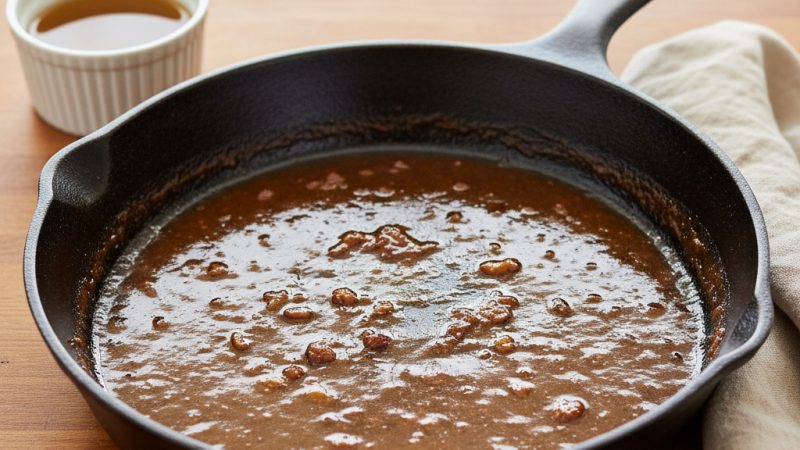
Techniques
Tools that help
Equipment links may become affiliate links, always labeled as such.
Substitutes
Out of dark rum? Use this instead
| Substitute | For 1 tsp | What to know |
|---|---|---|
| Gold Rum | 1 tbsp | Closest neutral swap; slightly lighter flavor. Works in flan, cakes and glazes. |
| Bourbon | 1 tbsp | Vanilla and oak notes mimic aged rum in desserts and sauces. A bit less molasses character. |
| Brandy | 1 tbsp | Fruitier warmth. Good in custards and fruit sauces; taste and adjust sugar. |
| Spiced Rum | 1 tbsp | Adds vanilla/cinnamon/clove. Only swap if those spices fit the dish. Reduce any added spice. |
| Rum Extract | ½ tsp extract + 2½ tsp water | Non‑alcohol option for baking flavor. Strength varies by brand - start small and taste. |
Flavor pairings
What goes with dark rum


FAQ
Dark Rum questions
Is rum alcohol?
Yes. Rum is a distilled spirit made from sugarcane byproducts like molasses or cane juice. Most bottles sold in the US are 80‑proof (40% alcohol by volume). Dark and aged rums bring caramel, vanilla and molasses notes useful in baking and sauces.
What are the different types of rum?
Common types are white (light), gold/amber, dark, black/blackstrap, aged (añejo), Demerara (Guyanese), overproof, and spiced or flavored. White is light and mixable; gold and dark add vanilla/caramel; blackstrap is very intense; aged is smooth; spiced has added flavors.
What are types of dark rum?
Labels you’ll see include dark, black, blackstrap, Demerara (Guyanese), navy, and aged/añejo styles that pour dark. Dark often means caramel and oak notes; blackstrap is bittersweet and robust; Demerara is toffee‑smoky; navy is strong; many aged rums are dark from barrel time.
Is dark rum the same as spiced rum?
No. Dark rum is unflavored rum that looks and tastes darker from aging and/or caramel color. Spiced rum is flavored with vanilla and spices like cinnamon and clove, and sometimes sweetened. Only swap if those spices fit your recipe; taste and adjust.
How long does dark rum last once opened?
It stays safe for years if capped and stored upright in a cool, dark place. Best flavor is within 1 to 2 years after opening. Over time, air and evaporation can thin aroma and strength. If the smell or taste seems flat, use it for cooking, not sipping.
Are you supposed to refrigerate rum?
No. Store rum upright in a cool, dark cabinet. Chilling or freezing is optional for serving texture - 80‑proof rum won’t freeze in a home freezer. Do not store by the stove or in direct sun, which speeds evaporation and dulls flavor.
How can you tell if rum has gone bad?
Rum does not spoil or become unsafe to drink. Once opened, a bottle will slowly lose its complex aroma and flavor over a couple of years. If the rum smells flat or tastes weak, its quality has declined, but it is still safe to use for cooking or in mixed drinks.