Ingredient · Korean fermented pastes
Gochujang
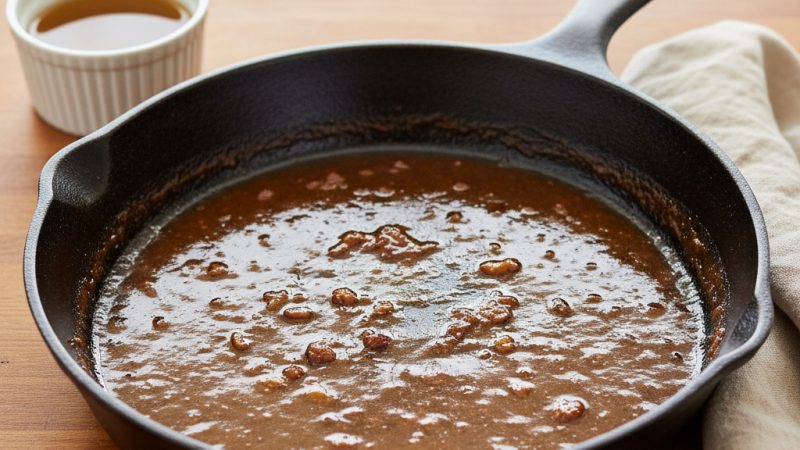
A thick, fermented Korean chili paste made from red pepper powder (gochugaru), fermented soybeans, grains, and sweeteners. It’s salty, savory, gently smoky, sweet, and hot. Start small: 1 tbsp thinned with 1 to 2 tbsp water makes a quick sauce for 2 servings. Whisk to loosen before heating so it doesn’t scorch.

Gochujang recipes
What to cook with gochujang
2 recipes


Forms and products
Which gochujang should you buy?
| Form | Type | Best for |
|---|---|---|
| Paste | Preparation | Stews, stir-fries, marinades, sauces |
| Sauce blend | Preparation | Quick glaze for meats, tofu, or veggies |
| Tub | Product | Standard supermarket form; widest range of heat levels |
| Squeeze bottle | Product | Convenient for drizzling; often slightly looser |
| Gluten free | Product | Made with rice; wheat-free. Same use as regular. Check the label; not all brands are gluten-free |
Mild, medium, hot (heat levels)
Most brands mark spice level on the tub. Heat ranges from gentle warmth to clearly spicy; sweetness and salt vary by brand.
Rice-based
Traditionally made with rice or sweet rice (glutinous rice; not gluten). Clean, rounded sweetness.
Wheat/barley-enhanced
Some add wheat flour or barley malt for body and sweetness. Check labels if avoiding gluten.
Buy and store
How to pick and store gochujang
At the store
- Choose a heat level (mild/medium/hot) that matches your recipe and diners.
- Read the ingredients: if you need gluten-free or vegan, check for wheat, barley malt, or honey.
- Pick well-sealed tubs with a deep brick-red color and smooth, thick texture.
- Popular, reliable brands are widely stocked in Asian markets and many US supermarkets.
| How it's kept | Where | About how long |
|---|---|---|
| Unopened tub or bottle | Cool, dark pantry | Up to 1 year or to the best-by date |
| Opened gochujang | Fridge, tightly sealed | About 1 year |
| Portioned for quick use | Fridge, small airtight container | 3 to 4 months |
| Frozen portions | Freezer, airtight (tablespoon scoops) | 6 to 12 months; thaw in fridge |
Food safety. Use a clean spoon each time to avoid introducing mold or yeast. If you see mold, off-odors, or gas bubbles, discard the paste.
Food safety. Chili pastes can irritate skin and eyes. Wash hands after handling; avoid touching your face.
Food safety. Many brands contain wheat or barley malt. If you need gluten-free, choose a brand labeled gluten-free.
Prep
How to use gochujang
Each technique has one short video. The same clip plays inside every recipe step that uses it.
Techniques
Tools that help
Equipment links may become affiliate links, always labeled as such.
Substitutes
Out of gochujang? Use this instead
| Substitute | For 1 tbsp | What to know |
|---|---|---|
| Miso | 2 tsp white or red miso + 1 tsp gochugaru + ½ tsp sugar + ½ tsp soy sauce | Closest DIY swap for 1 tbsp gochujang in sauces and marinades. Adjust heat with more gochugaru. |
| Sriracha | 2 tsp sriracha + 1 tsp miso + ½ tsp sugar | Good in dips and glazes; thinner and more garlicky. |
| Chili Garlic Sauce | 2 tsp chili-garlic sauce + 1 tsp miso + ½ tsp sugar | Adds texture and heat; saltier and less sweet. |
| Doubanjiang | 2 tsp doubanjiang + ½ to 1 tsp sugar | Fermented bean-chili depth; stronger and saltier. Start with less and taste. |
| Harissa | 2½ tsp harissa + ½ tsp miso + ½ tsp sugar | Different spice profile; workable in stews and marinades. |
Flavor pairings
What goes with gochujang


FAQ
Gochujang questions
What is gochujang in Korean?
Gochujang (고추장) is a Korean fermented red chili paste. It’s made from gochugaru (red pepper powder), fermented soybeans, grains like rice, and a sweetener. Thick, salty, sweet, and spicy, it’s used to season stews, stir-fries, marinades, and sauces.
How do you make Korean chili paste?
Traditional gochujang ferments for months with gochugaru, meju (fermented soybean), grain (often rice), salt, and a sweetener. At home, you can’t match true fermentation quickly, but you can mix miso, gochugaru, sugar, and soy sauce for a fast stand-in.
What are the different types of gochujang?
Most brands offer mild, medium, and hot heat levels. Some are rice-based (often gluten-free); others include wheat flour or barley malt for sweetness and body. Texture varies by brand - tubs are usually thicker; squeeze bottles tend to be slightly looser.
What is the closest sauce to gochujang?
No single sauce matches it, but a quick blend gets close: 2 tsp miso + 1 tsp gochugaru + ½ tsp sugar + ½ tsp soy sauce replaces 1 tbsp gochujang in many sauces and marinades. Chili-garlic sauce plus miso and sugar also works.
How long can you keep gochujang sauce in the fridge?
Store opened gochujang tightly sealed in the fridge. It typically keeps about 1 year. Use clean utensils to avoid contamination. If you see mold, off-odors, or bubbling, discard it. Sauces mixed with gochujang keep as long as their most perishable ingredient.
Is gochujang hotter than sriracha?
Generally, gochujang tastes milder than sriracha because it’s thicker, saltier, and sweeter, and you use less at a time. Heat varies by brand and labeled spice level. Sriracha is a thin, vinegar-forward hot sauce; gochujang is a dense, fermented paste.