Ingredient · Pork (cured)
Pancetta
Italian cured pork belly, seasoned and dried, usually unsmoked. It tastes savory and porky with gentle spice; you cook it to render fat and crisp the edges. Start pancetta in a cold skillet. Cook over medium to slowly render the fat and brown the edges; use the drippings to sauté aromatics.
Pancetta recipes
What to cook with pancetta
1 recipe

Forms and products
Which pancetta should you buy?
| Form | Type | Best for |
|---|---|---|
| Finely diced | Preparation | Sauces, soups, soffritto, quick sautés |
| Diced | Preparation | Pasta, risotto, stews |
| Batons | Preparation | Salads and vegetable sautés; meaty bites |
| Sliced | Preparation | Wrapping meats or vegetables; crisp chips |
| Slab | Preparation | Cut your own dice for even browning |
| Pre diced | Product | Fast weeknight cooking; check salt and added liquids |
Arrotolata (rolled)
Rolled, tied cylinder with a spice-crusted edge. Often sold sliced; mild to medium seasoning.
Tesa (flat)
Flat slab like bacon. Easy to cut into even cubes; clean, pork-forward flavor.
Buy and store
How to pick and store pancetta
At the store
- Choose pancetta with a fresh, meaty smell, rosy lean and bright white fat. Skip any that looks gray or feels slimy.
- For crisp cubes, buy a slab and cut your own even dice. Pre-diced saves time but can be saltier and wetter.
- Check the label: some pancetta is ready-to-eat; others are for cooking. Pre-diced usually needs cooking.
- The 'uncured' label means the pancetta was cured with natural sources like celery powder, not synthetic nitrites. It is still a cured product.
| How it's kept | Where | About how long |
|---|---|---|
| Unopened package | Fridge, follow date | Until the date on the package |
| Opened, uncooked | Fridge, tightly wrapped or airtight | About 1 week |
| Cooked bits | Fridge, airtight | 3 to 4 days |
| Frozen, uncooked | Well wrapped, exclude air | Best quality up to 1 month; thaw in the fridge |
| Frozen, cooked bits | Airtight, label and date | Best quality 1 to 2 months; add to hot pans from frozen |
Food safety. Some pancetta is ready-to-eat; others must be cooked. Read the package. When in doubt, cook until browned and heated through.
Food safety. Ready-to-eat deli meats can carry Listeria. People who are pregnant, older adults and immunocompromised should heat pancetta until steaming hot before eating.
Food safety. Refrigerate cooked pancetta within 2 hours and reheat leftovers to 165°F (74°C). Avoid cross-contamination from raw meats.
Prep
How to prep pancetta
Each technique has one short video. The same clip plays inside every recipe step that uses it.
Techniques
Tools that help
Equipment links may become affiliate links, always labeled as such.
Substitutes
Out of pancetta? Use this instead
| Substitute | For 1 unit | What to know |
|---|---|---|
| Thick-Cut Bacon | 1 oz | Smoked, saltier and sweeter. Use 1:1 by weight; start in a cold pan. Consider reducing added salt. |
| Guanciale | 1 oz | Cured pork jowl. Richer and more intense; closest Italian swap. Render gently; it melts faster. |
| Salt Pork | 1 oz | Very salty and unsmoked. Blanch 1 to 2 minutes to tame salt, then dice and render. |
| Prosciutto | 1 oz | Lean and ready-to-eat. Mince and crisp briefly in oil to mimic pancetta bits; add earlier fat (olive oil or butter). |
| Ham | 1 oz | Cooked and lean. Dice, add oil or butter to the pan, and brown for flavor. Not as rich as pancetta. |
Flavor pairings
What goes with pancetta

FAQ
Pancetta questions
What’s the difference between pancetta, bacon and guanciale?
All three come from pork. Pancetta is salt-cured pork belly, usually unsmoked. Bacon is pork belly that’s cured and smoked, often a bit sweeter. Guanciale is cured pork jowl; it’s richer and more intense. For pasta, pancetta and guanciale render cleaner pork flavor than smoked bacon.
How do you render diced pancetta so it gets crisp but not dry?
Start in a cold skillet. Cook over medium, stirring, so fat melts slowly and edges brown. If it browns before much fat renders, lower the heat. Scoop out the crisp bits. Use the warm drippings to sauté onions, garlic or greens, or to build a pan sauce.
Do you need oil to cook pancetta?
Usually no. Pancetta has enough fat to render and keep it from sticking. Add 1 to 2 teaspoons olive oil only if the pan runs dry, your dice is very lean, or you’re browning lean add-ins (like onions) after removing the pancetta.
How much diced pancetta do you need for pasta?
Plan on about 1 to 1½ ounces diced pancetta per serving of pasta (2 ounces dry pasta). That gives you enough rendered fat to coat the noodles and salty bites throughout. Taste the sauce before salting; pancetta seasons the dish.
Can you freeze pancetta and use it straight from the freezer?
Yes. Freeze tightly wrapped. For slab, pre-dice and freeze flat so it’s easy to portion. Thaw overnight in the fridge, or cook the small frozen dice gently until they separate, then raise heat to brown. Cooked bits also freeze well for quick salads and soups.
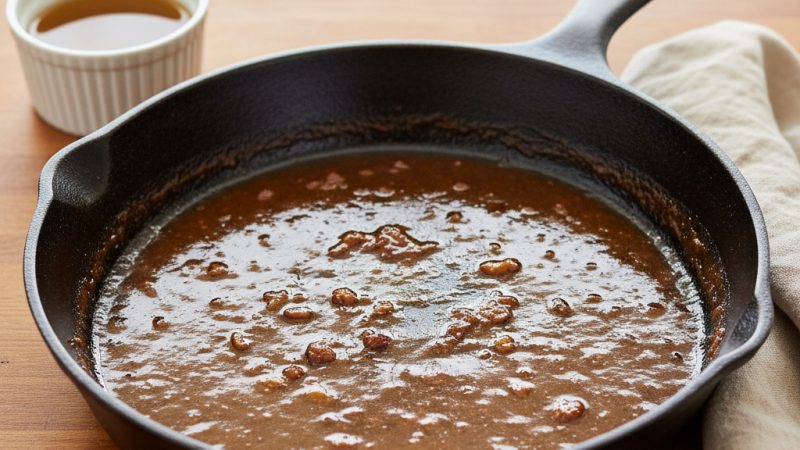
How do you deglaze after cooking pancetta?
Pour off excess fat, leaving 1 to 2 tablespoons. Add a splash of wine, broth or water to the hot pan. Scrape up the browned bits with a wooden spoon as it simmers. Reduce to a glossy sauce, then add cream, tomatoes or pasta water as your recipe needs.