Ingredient · Rice wine
Sake
Japanese rice wine made by fermenting polished rice with koji. Lightly sweet, umami, and 14% to 16% ABV. In cooking it adds aroma, depth, and helps tenderize. For sauces like teriyaki, use drinking-grade junmai sake. Avoid “cooking sake” with added salt unless a recipe expects it.

Sake recipes
What to cook with sake
1 recipe

Forms and products
Which sake should you buy?
| Form | Type | Best for |
|---|---|---|
| For cooking | Preparation | Deglazing, teriyaki, braises, marinades |
| Cooking sake | Product | Pantry-friendly but salty; reduce added salt in the dish. Often labeled ryorishu; not for drinking |
| Nigori | Product | Cloudy, lightly sweet; finishing or desserts. Not a 1:1 swap for dry styles |
| Namazake | Product | Fresh, vivid aroma; keep refrigerated. Unpasteurized; more perishable |
Junmai
Pure rice style (no added brewer’s alcohol). Clean, food-friendly, great for cooking and sipping.
Honjozo
A touch of brewer’s alcohol added to lift aroma. Light, smooth; good all-purpose.
Ginjo / Daiginjo
Highly polished rice, aromatic and delicate. Best for sipping; save for finishing if used in cooking.
Nigori
Cloudy, with rice solids; creamy and slightly sweet. Distinct texture and flavor.
Namazake
Unpasteurized; bright and fresh. Must be refrigerated and used sooner.
Buy and store
How to pick and store sake
At the store
- Choose bottles stored cool and away from light. Heat and light dull flavor.
- Check the label date if shown; fresher is brighter. Most everyday sake is best within about a year of bottling.
- For cooking, pick a dry drinking-grade junmai. You control the salt and the flavor is cleaner than salted “cooking sake.”
- Keep namazake cold from store to home; it’s unpasteurized and needs refrigeration.
| How it's kept | Where | About how long |
|---|---|---|
| Unopened, pasteurized | Cool, dark spot (55°F to 70°F), upright | About 6 to 12 months for best flavor |
| Opened, pasteurized | Fridge, tightly capped | Best 1 to 2 weeks; quality may hold up to about 1 month |
| Unopened namazake (unpasteurized) | Fridge, cold and dark | Check the date; typically a few months refrigerated |
| Opened namazake | Fridge, tightly capped | 3 to 5 days |
| For cooking only (leftover) | Freeze in ice cubes, sealed | 1 to 2 months; flavor softens |
Food safety. Sake contains alcohol (about 14% to 16% ABV). Drinking impairs judgment; never drive. People who are pregnant, underage, or advised to avoid alcohol should not drink it.
Food safety. Alcohol vapors can ignite. When cooking with {for-cooking} near an open flame, add it off heat and return to the burner.
Prep
How to prep sake
Each technique has one short video. The same clip plays inside every recipe step that uses it.
Techniques
Tools that help
Equipment links may become affiliate links, always labeled as such.
Substitutes
Out of sake? Use this instead
| Substitute | For 1 unit | What to know |
|---|---|---|
| Dry Sherry | 1 tbsp | Closest kitchen substitute; similar sweetness and complexity in sauces. |
| Dry White Wine | 1 tbsp | Works in pan sauces and braises; slightly more acidic. Add a pinch of sugar if needed. |
| Shaoxing Wine | 1 tbsp | Chinese rice wine; stronger flavor and often salty. Reduce other salt in the recipe. |
| Mirin | 1 tbsp | Sweeter and lower alcohol. Cut other sugar and add a splash of water to thin. |
| Rice Vinegar (Unseasoned) | 2 tsp rice vinegar + 1 tsp water + a pinch of sugar | Non-alcohol option for brightness; less depth than sake. |
Nutrition and allergens
Nutrition per 100 g
Per 100 g
| Calories | 134 |
| Carbohydrates | 5 g |
| Protein | 0.5 g |
| Fat | 0 g |
| Fiber | 0 g (1% DV) |
| Sodium | 2 mg (1% DV) |
| Vitamin C | 0 mg (1% DV) |
Calculated from USDA FoodData Central.
Allergens and diets
- Not a major US allergen
Not one of the nine major allergens. Sake is made from rice, water, koji, and yeast; some brands may use fining agents - check labels if sensitive. - Blends
“Cooking sake” (ryorishu) usually contains salt and sometimes sweeteners. Flavored sakes can include added sugar or fruit - read labels.
Flavor pairings
What goes with sake


FAQ
Sake questions
What kind of sake should you cook with?
Use a dry, drinking-grade junmai sake. It’s clean and balanced, and it lets you control salt and sweetness. Skip salted “cooking sake” unless a recipe expects it. For delicate dishes, use lighter styles; for bold glazes like teriyaki, everyday junmai or honjozo works well.
Can you substitute white wine or sherry for sake?
Yes. Dry sherry is the closest in body and mild sweetness; use it 1:1. Dry white wine also works but is more acidic - add a pinch of sugar if the dish tastes sharp. If avoiding alcohol, mix rice vinegar with a little water and sugar for brightness.
Do you need to refrigerate sake after opening?
Yes. Reseal and refrigerate opened sake. Drink or cook with it within 1 to 2 weeks for best flavor. Unpasteurized namazake must be kept cold at all times and should be used within a few days after opening.
Why use sake in teriyaki sauce?
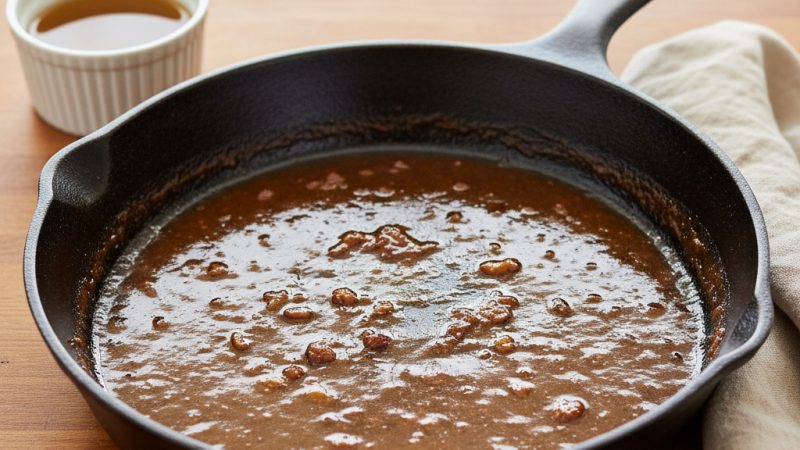
Sake adds aroma, umami, and gentle sweetness. It helps dissolve browned bits when you deglaze the pan, rounds out soy sauce, and balances mirin and sugar. For Teriyaki Chicken, use equal parts sake and mirin with soy, then reduce to a glossy glaze.
Can you freeze leftover sake for cooking?
Yes. Freeze it in ice cube trays, then stash the cubes in a bag. Use the cubes straight into hot pans for sauces or braises. Texture isn’t an issue for cooking, though aroma softens over time. Aim to use within 1 to 2 months.
Is sake gluten-free?
Sake is brewed from rice, water, koji, and yeast and is generally gluten-free. Cross-contact or added flavorings can introduce gluten in some products. If you need to avoid gluten, choose a plain junmai from a producer that states it is gluten-free.