Technique
How to simmer
Cooking a liquid just below a boil so it gently bubbles. Aim for small bubbles and light steam, not a rolling boil. Nudge the heat up or down to keep that gentle movement.

Step by step
How to Simmer
How to Simmer · 0:12
- Step 1. Bring the liquid to a boil, then turn the heat down.
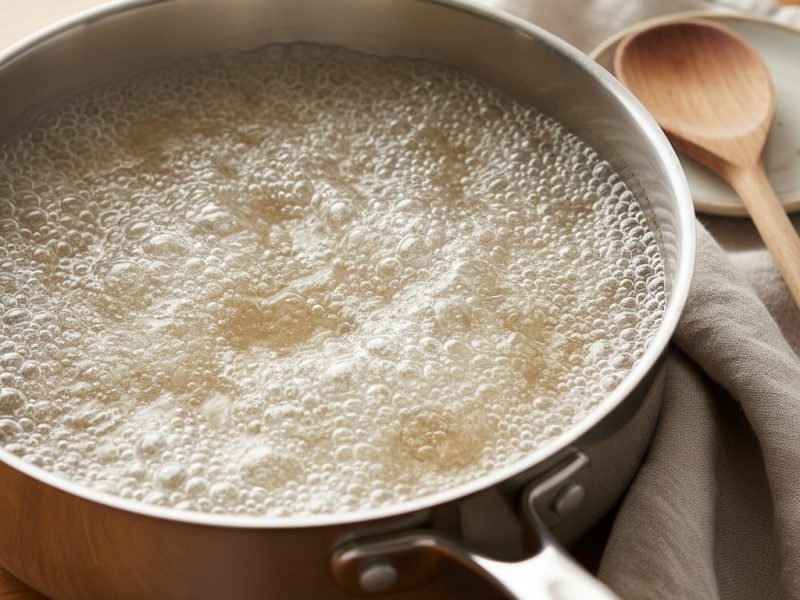
- Step 2. Watch for small bubbles around the edges and a few in the center.
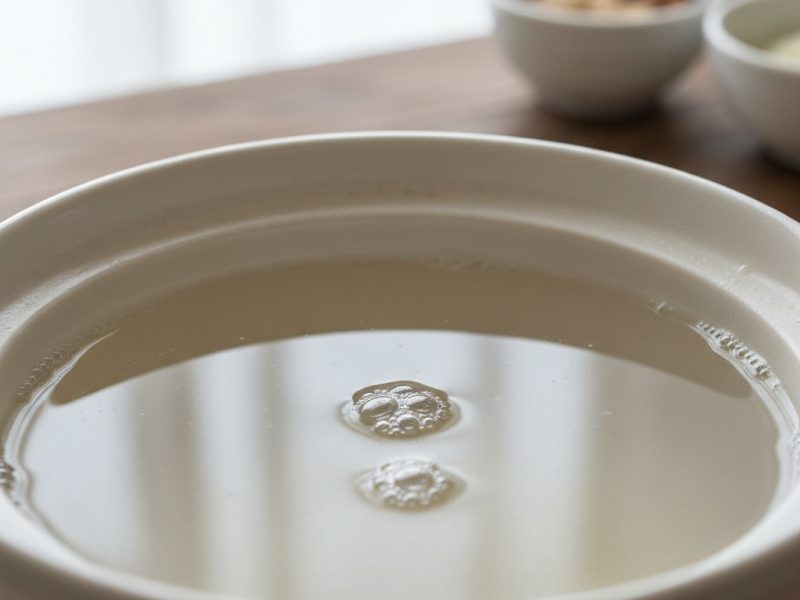
- Step 3. Adjust the heat so the surface moves gently and steams lightly.
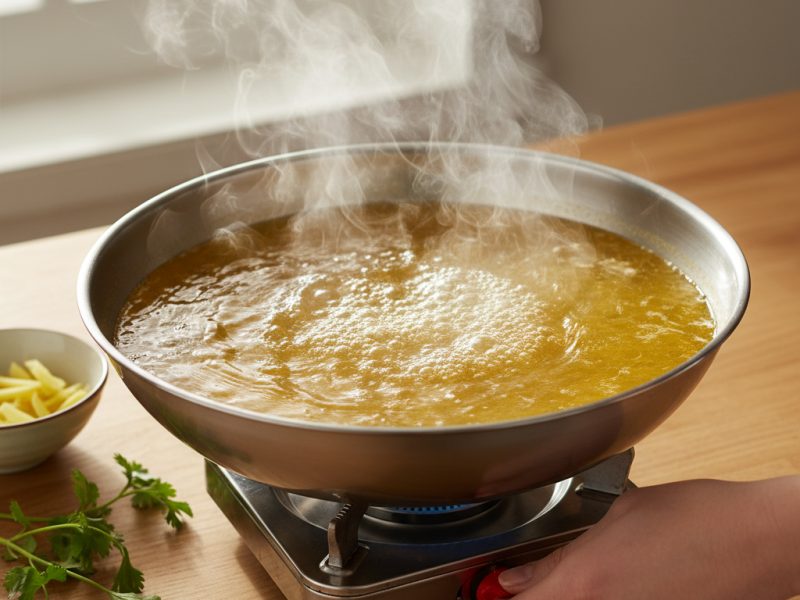
- Step 4. Stir now and then and keep the simmer steady. Partially cover to hold moisture, uncover to reduce.
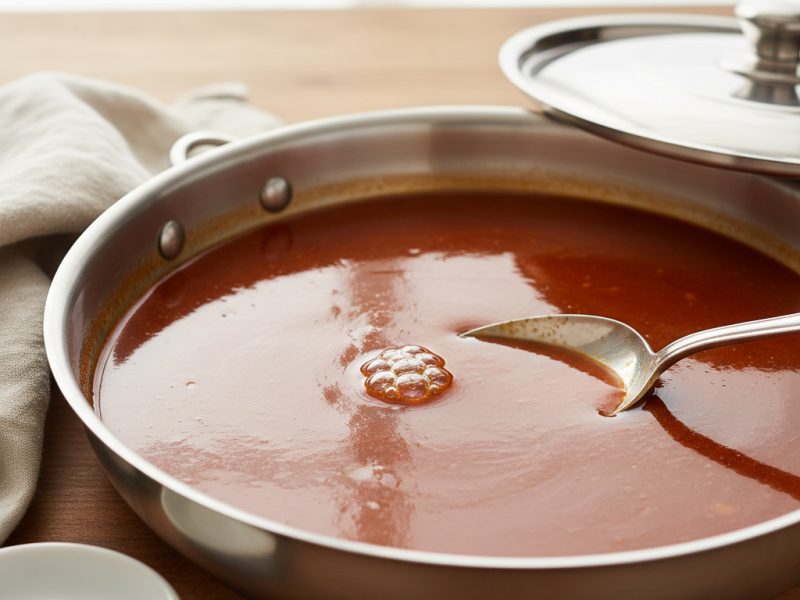


How you know it worked
- Small, steady bubbles; not a rolling, splashing boil.
- Light steam and gentle movement across the surface.
- Temperature about 185–205°F (85–96°C) if you check with a thermometer.
- Food softens without breaking apart; sauces thicken gradually.
Troubleshooting
Common mistakes when you simmer
| What goes wrong | Fix |
|---|---|
| It’s boiling hard, so food turns tough or sauces split. | Lower the heat until the bubbles are small and steady. If it reduced too much, add a splash of liquid and keep it gentle. |
| It’s barely moving, so nothing cooks. | Raise the heat a little at a time until you see small bubbles and light steam. |
| The pot is fully covered when you want to reduce. | Simmer uncovered or crack the lid to let moisture escape. |
| The pot is too small and crowded, so it cools and simmers unevenly. | Use a wider pot or skillet so heat and bubbles spread out. |
Tools
What you need
Simmer recipes
Recipes that use this technique
6 recipes


FAQ
Common questions
Is it better to simmer with a lid on or off?
Use the lid to control moisture and heat. Lid on (or cracked) holds heat and prevents too much evaporation - good for braises, rice, and keeping soups hot. Lid off lets steam escape so sauces and soups reduce and thicken.
What does a low simmer look like?
A few tiny bubbles break the surface with gentle movement and light steam. No splashing. Think quiet, lazy bubbling - often just around the edges.
How to tell if water is simmering?
Look and listen: small bubbles rise steadily, the surface shimmers, and you see light steam. It is below a full boil - no rolling, churning bubbles. Temperature is roughly 185 to 205°F (85 to 96°C).
Do I boil first then simmer?
Often yes. Bring to a boil to heat quickly, then lower to maintain a simmer. For delicate foods (poached eggs, fish) or long-cooking stocks, you can start cold and heat directly to a gentle simmer without a hard boil.
How long do you simmer for?
As long as the recipe needs. Simmer sauces until they taste right and coat a spoon (often 5 to 30 minutes). Simmer stews and stocks until the meat is tender and flavors develop (often 1 hour or more). Check liquid level and add more if needed.
Is simmer low or medium heat?
Simmering happens over low or medium-low heat. The exact setting depends on your stove, your cookware, and the amount of food in the pot. Instead of focusing on the dial, watch the liquid for the right amount of bubbling and adjust the heat as needed.