Technique
How to toast chiles
Briefly heat whole dried chiles in a dry pan until fragrant to deepen flavor. Work over medium heat and flip fast. If they darken past mahogany or smell sharp, pull them off - burnt chiles taste bitter.

Step by step
How to toast chiles
- Step 1. Remove stems. Shake out most seeds. Tear very large chiles into flat pieces.
- Step 2. Heat a dry 12-inch skillet over medium heat.
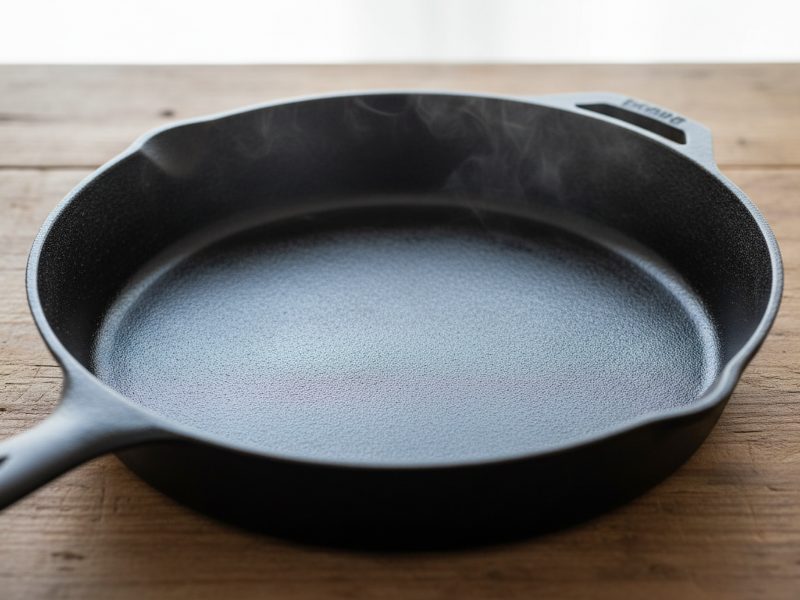
- Step 3. Lay chiles in a single layer. Press flat with a spatula. Toast 10–30 seconds per side.
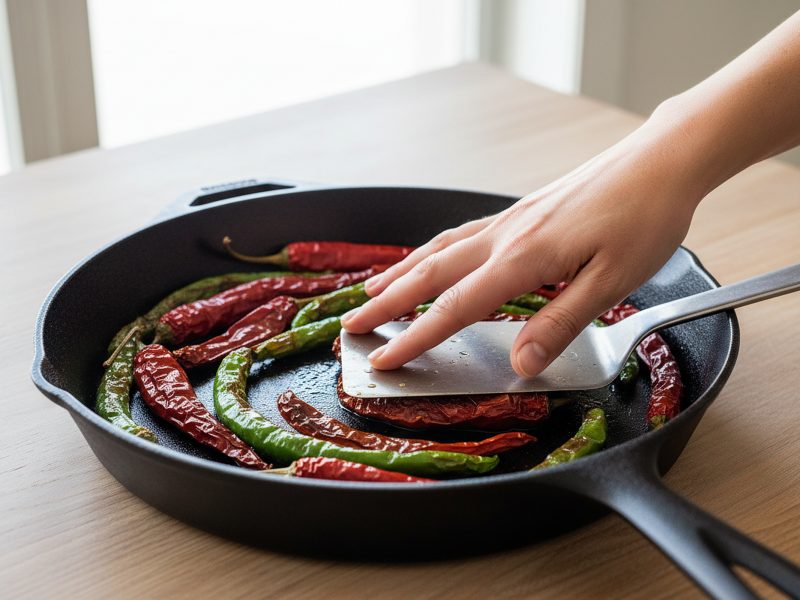
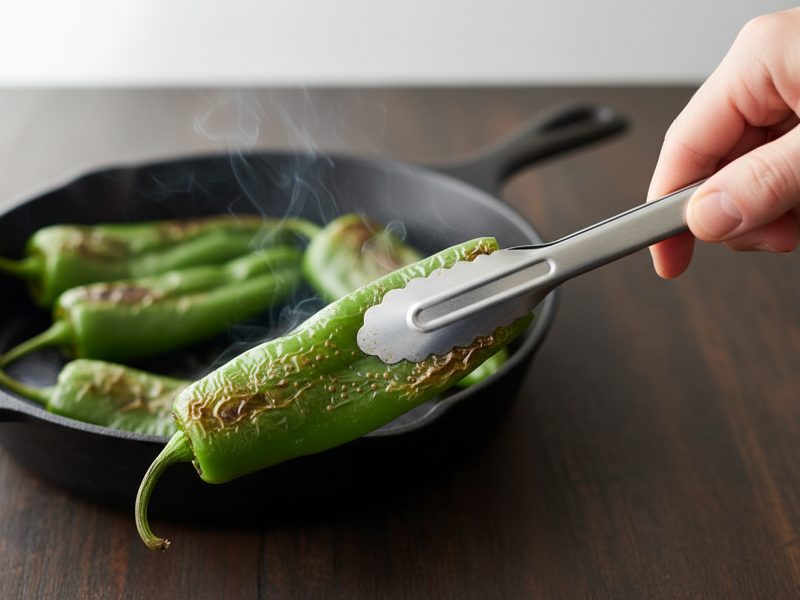
- Step 4. Flip with tongs as soon as they smell nutty and the skin blisters lightly.
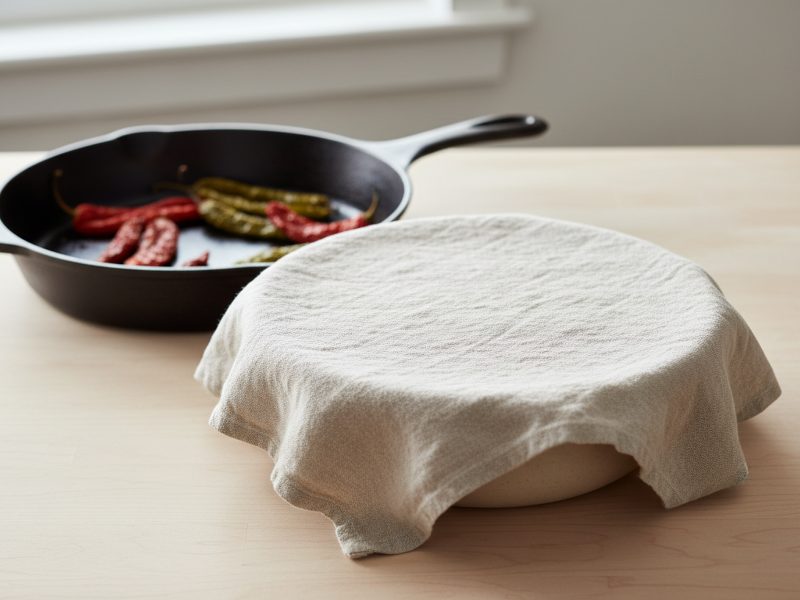
- Step 5. Move toasted chiles to a bowl and cover to steam 2 minutes. Then proceed to grind or soak for sauces.


How you know it worked
- A warm, nutty, raisin-like aroma.
- Color deepens slightly (not black).
- Light blisters or softening; edges pliable.
- Seeds left in the pan smell toasty, not acrid.
Troubleshooting
Common mistakes when you toast chiles
| What goes wrong | Fix |
|---|---|
| Toasting until blackened makes chiles bitter. | Use medium heat and short contact. Toast just to fragrant with light blisters, then pull them off. |
| Crowding the pan steams the chiles instead of toasting. | Work in batches with a single layer so each piece touches the pan. |
| Curled chiles toast unevenly. | Tear into flatter pieces and press with a spatula while toasting. |
| Choking fumes from hot oils in spicy chiles. | Turn on the vent and open a window. Lower the heat and toast in smaller batches. |
| Boiling rehydrated chiles tastes harsh. | After toasting, soak in hot (not boiling) water until pliable, 15–30 minutes, then drain or use the soaking liquid as needed. |
Tools
What you need
Toast Chiles recipes
Recipes that use this technique
1 recipe

FAQ
Common questions
How to toast dried chiles in the oven?
Set the oven to 300°F (150°C). Spread chiles in a single layer on a sheet pan. Bake 3 to 5 minutes, flipping once, until fragrant and slightly darkened. Watch closely - pull them before they blacken.
Why are there bugs in my dried chiles?
They can carry pantry pest eggs from harvest or storage. Discard any chiles with active insects or webbing. To prevent problems, freeze newly bought dried chiles in a sealed bag for 2 to 3 days, then store airtight in a cool, dry place.
What dried peppers to use for birria?
Common choices: guajillo for body and color, plus some ancho or pasilla for sweetness and depth. Add a few chiles de árbol for heat if you like. Toast, then soak before blending.
What are some uses for dried Hatch chile?
Make New Mexico-style red chile sauce, enchilada sauce, pozole, chili, stews, or a dry rub. Crumble into beans, eggs, and soups. Grind into flakes or powder after toasting.
Do I need to soak dried chiles before cooking?
For sauces and purees, yes: toast first, then soak in hot water until pliable (15 to 30 minutes). For oil infusions or grinding into powder, soak is not needed.
Is a Hatch chile hotter than a jalapeño?
Usually it’s milder to similar, but heat varies by variety. Some hot Hatch types can be spicier than many jalapeños.
Does chile get hotter when cooked?
Capsaicin is stable. Heat can seem stronger as water evaporates and flavors concentrate, or when you toast/fry chiles in oil. Balance with acid, sugar, or dairy if needed.
What can I substitute for chiles?
Use another dried chile with similar heat (e.g., ancho ↔ pasilla ↔ guajillo). For smoky heat, try canned chipotle in adobo. In a pinch, use red pepper flakes or paprika plus a little cayenne. Adjust to taste.
Can I use dried chiles instead of fresh?
Yes. Rehydrate and blend for sauces or chop for stews. Flavor is deeper and less “green.” Start with a smaller amount by weight than fresh and adjust.
Which is hotter, fresh or dried chiles?
Dried often tastes hotter by weight because moisture is gone and flavors concentrate. The same variety fresh vs. dried can feel different: dried is punchier, fresh is brighter. Adjust amounts to taste.