Ingredient · processed seafood
Fish Cake
Ground fish paste seasoned with starch, salt, and aromatics, shaped and cooked (steamed or fried). Sold as Korean sheets, Japanese loaves, fish balls, or Western patties. For tteokbokki, use flat Korean fish cake sheets. Blanch in hot water 10–20 seconds to remove surface oil, pat dry, then slice into strips or triangles before simmering.

Fish Cake recipes
What to cook with fish cake
1 recipe

Forms and products
Which fish cake should you buy?
| Form | Type | Equals 1 sheet | Best for |
|---|---|---|---|
| Korean sheets | Product | 1 sheet = about 55 g | Tteokbokki, eomuk-tang (fish cake soup), stir-fries |
| Kamaboko loaf | Product | 1 loaf = about 250 g | Ramen topping, oden, slicing for snacks and bento |
| Narutomaki roll | Product | 1 roll = about 200 g | Ramen and soups; decorative spiral slices. Steam or simmer to heat through; firm, bouncy texture |
| Fish balls | Product | 1 ball = about 20 g | Hot pot, curry, stir-fries; simmer or fry from frozen |
| Western patties | Product | 1 patty = about 85 g | Pan-fry or bake; sandwiches and mains; often breaded |
| Sliced strips | Preparation | from 1 sheet | Quick-cooking dishes; more surface area to soak sauces |
| Triangles | Preparation | from 1 sheet | Tteokbokki and skewers; sturdy shape for simmering |
| Skewered | Preparation | varies | Brothy soups and street‑style grilling |
Korean eomuk (odeng)
Flat sheets made from minced fish with wheat starch, sugar, and seasonings. Usually pre‑fried. Mild, slightly sweet, and springy.
Japanese kamaboko
Steamed loaf of fish paste, often pink‑and‑white. Clean, bouncy bite; served sliced in soups or as a snack.
Japanese narutomaki
Rolled kamaboko with a pink spiral. Firm slices hold up in ramen and nimono (simmered dishes).
Fish balls
Springy spheres for soups, hot pot, curries, and stir‑fries. Sold fresh, refrigerated, or frozen in plain or flavored styles.
Buy and store
How to pick and store fish cake
At the store
- Look for a short ingredient list with fish high up. Texture should feel firm and bouncy, not crumbly.
- For tteokbokki, choose flat Korean sheets labeled eomuk/odeng. Avoid overly sweet styles if you prefer savory.
- Check allergens: fish for sure; many brands also contain wheat, soy, or egg. Read the label.
- Buy refrigerated or frozen packages cold and well‑sealed. Skip any with off smells, excess slime, or many broken pieces.
| How it's kept | Where | About how long |
|---|---|---|
| Unopened, refrigerated package | Fridge, per label | Until the printed date |
| Opened, refrigerated | Fridge, airtight container | 3 to 4 days |
| Frozen (unopened or opened) | Freezer, airtight | Several months; for best quality, use within 2 to 3 months |
| Cooked leftovers | Fridge, airtight | 3 to 4 days; reheat to 165°F (74°C) |
| Cooked, then frozen | Freezer, airtight | 1 to 2 months; reheat from thawed or gently from frozen |
Food safety. Fish cake always contains fish. Many brands also contain wheat, soy, or egg; some are made in facilities with shellfish or sesame. Read labels and watch cross‑contact if you have allergies.
Food safety. Most Asian fish cakes are fully cooked; heat until steaming throughout. Refrigerate within 2 hours. Reheat leftovers to 165°F (74°C). Discard packages with sour odor, sliminess, or if left out over 2 hours.
Prep
How to prep fish cake
Each technique has one short video. The same clip plays inside every recipe step that uses it.
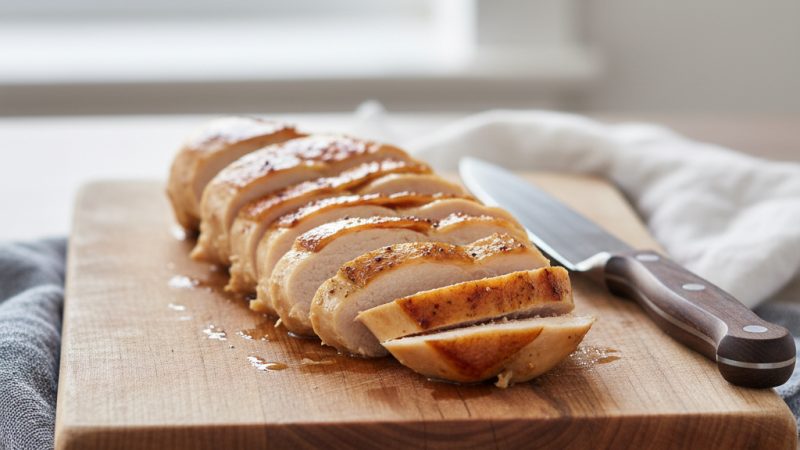 0:06How to Slice
Cutting food into even, flat pieces with a smooth, forward-down motion.
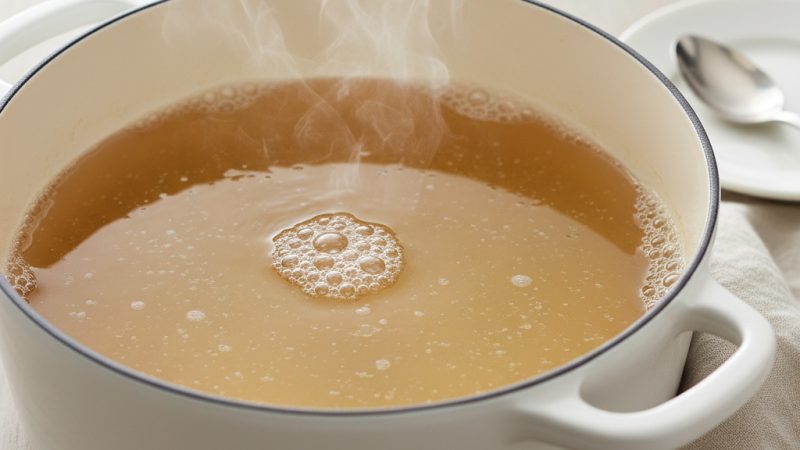 0:12How to Simmer
Cooking a liquid just below a boil so it gently bubbles.
Techniques
Tools that help
Equipment links may become affiliate links, always labeled as such.
Substitutes
Out of fish cake? Use this instead
| Substitute | For 1 sheet | What to know |
|---|---|---|
| Imitation Crab | 2 sticks (about 56 g) | Surimi has a similar bouncy texture and mild flavor. Slice and warm gently; add a little salt or dashi for depth. |
| Firm Tofu | 2 oz (55 g) | For tteokbokki, use firm tofu or fried tofu puffs. Softer bite, neutral taste; simmer in sauce to season. |
| Shrimp | 2 oz (55 g) | Poach or pan‑sear chopped shrimp until just cooked; adds sweet seafood flavor and bounce when mixed into sauces. |
| White Fish Fillet | 2 oz (55 g) cooked | Flake gently cooked cod, pollock, or tilapia. Texture is not springy; better in patties or saucy dishes. |
| Fish Balls | 3 balls (about 60 g) | Good swap for sliced sheets in soups and stews. Simmer until heated through. |
Nutrition and allergens
Nutrition per sheet
Per sheet (55 g)
| Calories | 68 |
| Carbohydrates | 0 g |
| Protein | 11 g |
| Fat | 2 g |
| Fiber | 0 g (1% DV) |
| Sodium | 33 mg (1% DV) |
| Vitamin C | 0 mg (1% DV) |
Calculated from USDA FoodData Central.
Allergens and diets
- Contains fish
Often also contains wheat, soy, or egg. Some brands include shellfish or sesame. Always check the label. - Pescatarian
- Blends
Many fish cakes are high in sodium and may include wheat, soy, or egg. If you need gluten‑free or lower‑sodium options, choose products labeled accordingly and compare Nutrition Facts.
Flavor pairings
What goes with fish cake


FAQ
Fish Cake questions
What makes up a fish cake?
Fish cakes are made from minced fish (often pollock or cod) mixed with starch, salt, and seasonings, then shaped and cooked - steamed for kamaboko, or fried for Korean sheets. Some include sugar, vegetables, or MSG. Many brands add wheat or soy for texture, so check the label.
What does a fish cake taste like?
Mild, slightly sweet, and savory with a clean seafood note. The texture is springy and bouncy from the fish paste and starch. Fried styles taste richer and may have a hint of oil; steamed loaves like kamaboko taste cleaner. They absorb sauces well in soups and stir‑fries.
Is fish cake the same as fish balls?
They’re close but shaped and used differently. Both are seasoned fish paste. Sheets and loaves are sliced for tteokbokki, ramen, or oden. Fish balls are round and go in hot pot, soups, and curries. You can swap by weight in many brothy dishes; texture and bite will differ.
What is the best way to cook frozen fish cakes?
Most are fully cooked. Heat from frozen until hot in the center: simmer 3 to 5 minutes in broth or sauce, pan‑fry 4 to 6 minutes per side in a little oil, or air‑fry at 380°F for 6 to 10 minutes, shaking once. Always follow the package directions and don’t overcook - just heat through.
Can you freeze fish cakes once cooked?
Yes. Cool quickly, pack airtight, and freeze. For best quality, use within 1 to 2 months. Thaw overnight in the fridge or reheat gently from frozen in sauce, broth, or a covered pan. Reheat leftovers to 165°F (74°C). Avoid repeated thawing and refreezing, which harms texture.
How long can fish cakes last in the fridge?
Unopened, keep them refrigerated and use by the date on the package. Once opened or cooked, store in an airtight container for 3 to 4 days. Refrigerate within 2 hours of cooking or opening. If they smell sour, feel slimy, or sat out too long, discard them.