Ingredient · Pickling brines
Pepperoncini Brine
The tangy, salty, mildly spicy liquid from a jar of pickled pepperoncini. It seasons roasts, dressings, marinades and quick-pickles. Start with 2 to 4 tbsp per pound of meat or per cup of dressing, then taste. It’s salty, so cut added salt until you’ve tasted.

Pepperoncini Brine recipes
What to cook with pepperoncini brine
1 recipe

Forms and products
Which pepperoncini brine should you buy?
| Form | Type | Best for |
|---|---|---|
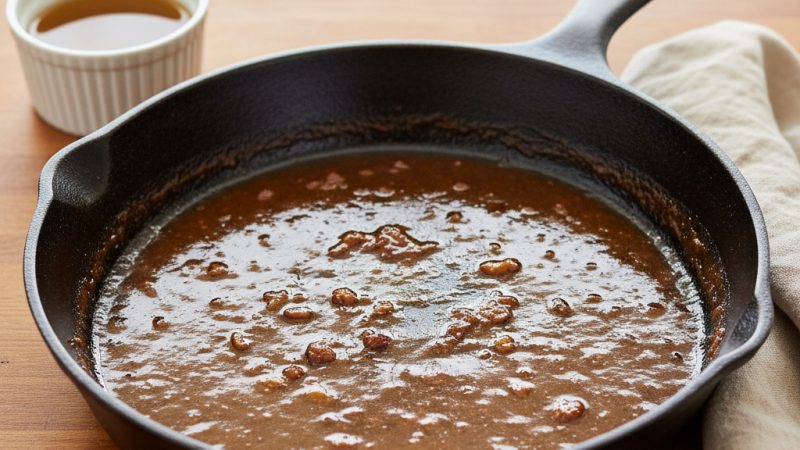
| From jar | Product | Use straight for Mississippi Pot Roast, dressings, marinades and deglazing pans |
| Reduced | Preparation | Simmer to concentrate for sauces and glazes; taste before salting |
| Ice cubes | Preparation | Freeze in trays for measured splashes in soups, beans and sautéed greens |
Greek style
Usually brighter acidity and firmer peppers; brine leans more vinegary.
Italian/Tuscan style
Often slightly sweeter and gentler acid; good for dressings.
With herbs/garlic
Some brands add garlic, dill or spices. Flavor will carry into your dish.
Buy and store
How to pick and store pepperoncini brine
At the store
- Choose jars with clear brine, not cloudy or hazy liquid. Avoid jars with excessive sediment at the bottom.
- Peppers should be bright and intact; mushy peppers often mean tired brine.
- Read the label: common ingredients are peppers, water, vinegar, salt and spices. Heat level is mild.
- Compare sodium per serving; it varies widely by brand.
| How it's kept | Where | About how long |
|---|---|---|
| Unopened jar | Pantry, cool and dark | Until the best-by date |
| Opened, peppers covered in brine | Fridge, tightly sealed | About 1 to 3 months |
| Brine only (no peppers) | Fridge, airtight bottle or jar | About 1 to 3 months |
| Frozen brine | Ice cube tray, then bagged airtight | About 6 months; thaw only what you need |
Food safety. Do not reuse leftover brine for canning. Its acidity and salt balance are no longer reliable for safe shelf storage.
Food safety. Properly acidic brine inhibits dangerous bacteria, but mold or yeast can grow after opening. Discard if cloudy, slimy, fizzy, or if it smells or tastes off.
Food safety. Pepperoncini brine is salty. Taste before adding extra salt, and consider lower-sodium sides if you’re watching sodium.
Prep
How to use pepperoncini brine
Each technique has one short video. The same clip plays inside every recipe step that uses it.
Techniques
Tools that help
Equipment links may become affiliate links, always labeled as such.
Substitutes
Out of pepperoncini brine? Use this instead
| Substitute | For 1 tsp | What to know |
|---|---|---|
| Dill Pickle Brine | 1 tbsp | Tarter and more garlicky; reduce added dill/garlic elsewhere and taste for salt. |
| Banana Pepper Brine | 1 tbsp | Closest mild heat and sweetness; a near 1:1 swap. |
| Pickled Jalapeno Brine | 1 tbsp | Hotter and greener flavor; start with half and add to taste. |
| Vinegar and Water | 1 tbsp | Mix ½ tbsp distilled white vinegar + ½ tbsp water with a pinch each of salt and sugar to mimic brine balance. |
| Apple Cider Vinegar | 1 tbsp | Dilute 1:1 with water and add a small pinch of salt and sugar; fruitier note. |
Flavor pairings
What goes with pepperoncini brine


FAQ
Pepperoncini Brine questions
What to do with pepperoncini brine?
Use it to season Mississippi Pot Roast, whisk into vinaigrettes, marinate chicken or pork, brighten tuna or potato salad, deglaze a pan, or quick-pickle sliced onions or cucumbers. Start with 2 to 4 tablespoons, taste, and add more. It’s salty, so hold back other salt at first.
Can bacteria grow in pickle brine?
Properly acidic brine inhibits dangerous bacteria like botulism. After opening, though, spoilage yeasts and molds can grow. Keep the jar cold, use clean utensils, and keep peppers submerged. If the brine turns cloudy or slimy, smells off, fizzes, or shows mold, discard it.
Can you buy pepperoncini brine only?
Most stores don’t sell brine by itself. You’ll usually buy a jar of pepperoncini and use the liquid. If you need extra, keep the brine from multiple jars, or mix a quick stand-in with equal parts white vinegar and water plus a pinch of salt and sugar.
How many times can I use the same pickle brine?
For fresh refrigerator quick-pickles, you can reuse brine once for a short, cold soak (keep refrigerated and eat within a week). Don’t reuse it for canning or shelf storage - the acidity and salt are no longer reliable. Discard brine that looks or smells off.
Can I use pickle juice instead of pepperoncini?
Yes, dill pickle brine works in many dishes. Expect a sharper, garlicky-dill note and similar salt. Start with the same amount and taste. For Mississippi Pot Roast or dressings, it’s a good swap. If you want milder heat, banana pepper brine is closer.
What is a replacement for pepperoncini peppers?
Banana peppers are the closest mild substitute. For a little more heat, try pickled jalapeños (use less). If you only need the tang, use the brine from pickles or a mix of white vinegar and water with a pinch of salt and sugar.