Ingredient · Tomato products
Tomato Paste
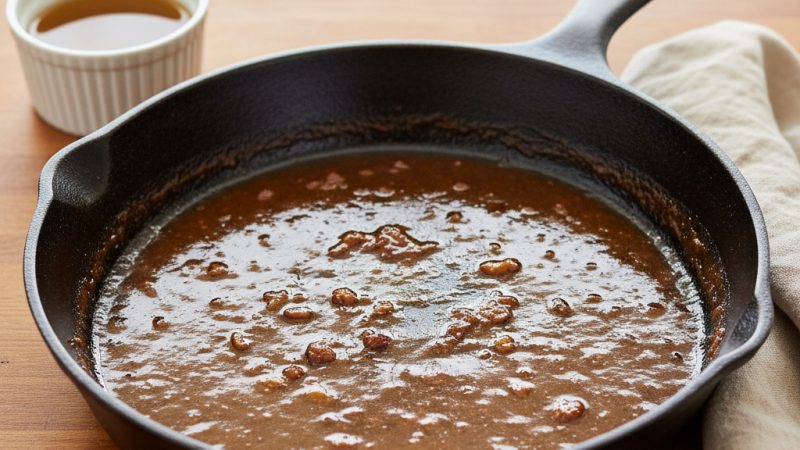
Tomatoes cooked down, strained, and reduced to a thick, concentrated paste. A spoonful adds deep tomato flavor, color, and body to sauces, soups, and stews. Cook tomato paste in oil for 1 to 2 minutes until it darkens brick red before adding liquid. This browns the sugars and boosts flavor.

Tomato Paste recipes
What to cook with tomato paste
3 recipes


Forms and products
Which tomato paste should you buy?
| Form | Type | Best for |
|---|---|---|
| Canned | Product | Everyday sauces, chilis, braises. Brown in oil first |
| Tube double | Product | Same strength as most cans; cap and refrigerate. Handy for using a little at a time |
| Triple concentrated | Product | Stronger and thicker; great for quick flavor. Taste and adjust salt and acidity. Often labeled “Triplo Concentrato.” |
| No salt added | Product | Lets you control sodium in soups and sauces |
| Browned | Preparation | Stovetop dishes. Stir in oil 1 to 2 minutes until darker to remove raw taste |
Double concentrated
The standard strength in most US cans and many tubes. Reliable, balanced tomato flavor.
Triple concentrated (Triplo Concentrato)
Thicker and more intense. Use a smaller amount and adjust to taste.
No salt added
Just tomatoes, sometimes citric acid. Good when you want to control sodium.
Buy and store
How to pick and store tomato paste
At the store
- Choose cans or tubes with short ingredient lists: tomatoes (and sometimes salt or citric acid). Skip added sugar or flavorings unless you want them.
- Tubes are convenient for using a little at a time; cans are often cheapest per ounce.
- Avoid dented, bulging, leaking, or rusted cans.
- If origin matters to you, check the label for “Product of …” and look for BPA-free packaging if desired.
| How it's kept | Where | About how long |
|---|---|---|
| Unopened can or tube | Cool, dark pantry | About 12 to 18 months; use by best-by date |
| Opened can (transferred) | Fridge, airtight container or covered ramekin | About 5 to 7 days |
| Opened tube | Fridge with cap on | About 4 to 6 weeks |
| Frozen portions | Freeze in 1 tbsp mounds or in an ice cube tray, then bag airtight | 2 to 3 months for best quality; use from frozen |
Food safety. Discard cans that are bulging, badly dented on seams, leaking, or spurting on opening. Don’t taste - throw them away.
Food safety. If opened paste smells fermented, looks moldy, or has off color, discard it. Refrigerate within 2 hours of opening.
Food safety. For homemade paste, use a tested recipe and proper acidification and processing. Improperly canned low-acid foods can allow dangerous bacteria to grow.
Prep
How to use tomato paste
Each technique has one short video. The same clip plays inside every recipe step that uses it.
Techniques
Tools that help
Equipment links may become affiliate links, always labeled as such.
Substitutes
Out of tomato paste? Use this instead
| Substitute | For 1 tbsp | What to know |
|---|---|---|
| Tomato Sauce | about 3 tbsp, simmered to 1 tbsp | Cook over medium heat, stirring, until very thick and darkened. Use in sauces and stews. |
| Tomato Puree | about 4 tbsp, simmered to 1 tbsp | Reduce until thick and brick red. Passata or strained tomatoes work the same way. |
| Crushed Tomatoes | about 4 tbsp, simmered to 1 tbsp | Cook down to concentrate flavor and remove excess water before adding other liquids. |
| Sun Dried Tomato Paste | ½ to 1 tbsp | Stronger, sweeter, and darker. Thin with a little water or oil and adjust salt and acidity. |
| Ketchup | 1 tbsp | Last-resort swap in quick sauces. It’s sweeter and tangier; cut other sugar and skip added vinegar. |
Nutrition and allergens
Nutrition per tbsp
Per tbsp (16 g)
| Calories | 17 |
| Carbohydrates | 3 g |
| Protein | 0.7 g |
| Fat | 0.1 g |
| Fiber | 0.8 g (3% DV) |
| Sodium | 10 mg (1% DV) |
| Vitamin C | 3 mg (3% DV) |
Calculated from USDA FoodData Central.
Allergens and diets
- Not a major US allergen
Typically just tomatoes, and sometimes salt or citric acid. Not one of the nine major allergens. Always read labels for added ingredients. - Blends
Some brands include added salt, sugar, or herbs. Choose no-salt-added if you’re limiting sodium and season to taste.
Flavor pairings
What goes with tomato paste


FAQ
Tomato Paste questions
How to make a good tomato paste?
Use meaty, ripe tomatoes. Chop, simmer until very soft, then pass through a food mill to remove skins and seeds. Return to the pot and cook low and slow, stirring, until extremely thick and glossy. Spread thin on a sheet to speed evaporation. Cool, portion, and freeze.
What are the ingredients in tomato paste?
Most tomato paste is just tomatoes, concentrated by cooking, plus sometimes salt and/or citric acid for flavor and stability. Flavored versions may add herbs or spices. Check the label if you want no-salt-added, organic, or to avoid added sugar or seasonings.
What is double concentrated tomato paste?
It means the paste has been reduced to roughly twice the solids of tomato purée. This is the standard strength in most US cans and many tubes. Triple-concentrated is thicker and more intense - start with less and adjust to taste.
How to store tomato paste after opening a can?
Transfer any leftover paste to a small airtight container or cover a ramekin snugly. Press plastic wrap against the surface to limit air. Refrigerate within 2 hours and use within about 5 to 7 days. For longer storage, freeze in 1-tablespoon portions.
Can I freeze tomato paste in a Ziploc bag?
Yes. Portion tablespoons of paste on a lined sheet, freeze solid, then move the pieces to a zip-top freezer bag and press out the air. Or spread a thin sheet of paste in the bag, freeze flat, and break off pieces as needed. Use within 2 to 3 months.
How long will tomato paste last in the freezer?
For best quality, use frozen tomato paste within 2 to 3 months. Freeze it in small portions so you can add it straight to a hot pan. Keep it airtight to prevent freezer burn. Label the bag or container with the date so you can rotate stock.