Ingredient · Fermented beverages
Red Wine
Dry, fermented grape wine used to deglaze, braise, and build sauces. It adds acidity, fruit, and gentle tannin. Cook with a dry red you’d drink. Skip “cooking wine” - it’s salty and flat.
Red Wine recipes
What to cook with red wine
2 recipes


Forms and products
Which red wine should you buy?
| Form | Type | Best for |
|---|---|---|
| Dry | Preparation | Deglazing, pan sauces, tomato sauces, braises |
| Reduced | Preparation | Pan sauces; intensifies flavor and sweetness slightly |
| Boxed | Product | Good value for cooking; keeps longer after opening |
| Vermouth red | Product | Fortified, aromatic; swap 1:1 for sauces and braises; usually a touch sweeter |
| “cooking wine” bottled | Product | Not recommended: usually salted and harsh |
Cabernet Sauvignon
Full-bodied, higher tannin. Good for beef stews, reductions, and mushrooms.
Merlot
Medium-bodied, round fruit. Easy 1:1 choice for most sauces and braises.
Pinot Noir
Light-bodied, bright acid. Great for pan sauces, mushrooms, chicken, and tomato sauces.
Sangiovese (Chianti)
Medium body, savory cherry and herb. Excellent with tomato sauces and pork.
Syrah/Shiraz
Full-bodied, peppery. Stands up to lamb, venison, and grilled meats.
Zinfandel
Medium to full with spice. Works in barbecue sauces and hearty braises.
Tempranillo (Rioja)
Medium body, earthy. Good all-purpose cooking red.
Buy and store
How to pick and store red wine
At the store
- Choose a dry red, not sweet. Labels to look for: Cabernet Sauvignon, Merlot, Pinot Noir, Sangiovese, Syrah.
- Avoid bottles labeled “cooking wine.” They’re salted and taste harsh.
- You don’t need pricey wine for cooking. A reliable $6–$15 bottle works.
- Screwcap is fine. If it tastes good in a glass, it will cook well.
| How it's kept | Where | About how long |
|---|---|---|
| Unopened, cork | Cool, dark place, steady 50–65°F; on its side | Months to a couple of years for everyday wines |
| Unopened, screwcap or synthetic cork | Cool, dark place; upright | Months to a couple of years for everyday wines |
| Opened bottle | Recork, fridge | About 3 to 5 days |
| Leftover for cooking | Freeze in ice cube tray, then bag | About 3 months; cook from frozen |
Food safety. Heat reduces alcohol but does not remove it all. If avoiding alcohol, use a nonalcoholic substitute.
Food safety. Wine can flare in a hot pan. Take the pan off the heat to add {red-wine}. Never pour from the bottle near a flame.
Food safety. Most wine contains sulfites. Sensitive people should choose bottles labeled “No added sulfites” or avoid.
Prep
How to prep red wine
Each technique has one short video. The same clip plays inside every recipe step that uses it.
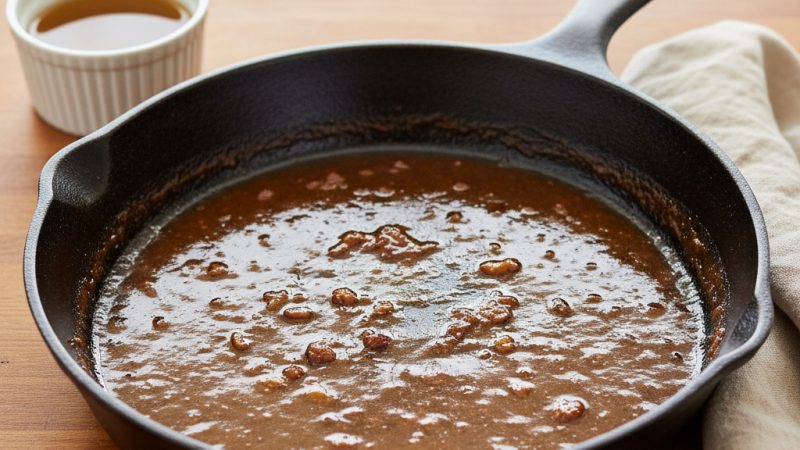 0:12How to Deglaze
Pouring liquid into a hot pan to loosen the browned bits stuck to the bottom.
Clip used in 1,960 recipe steps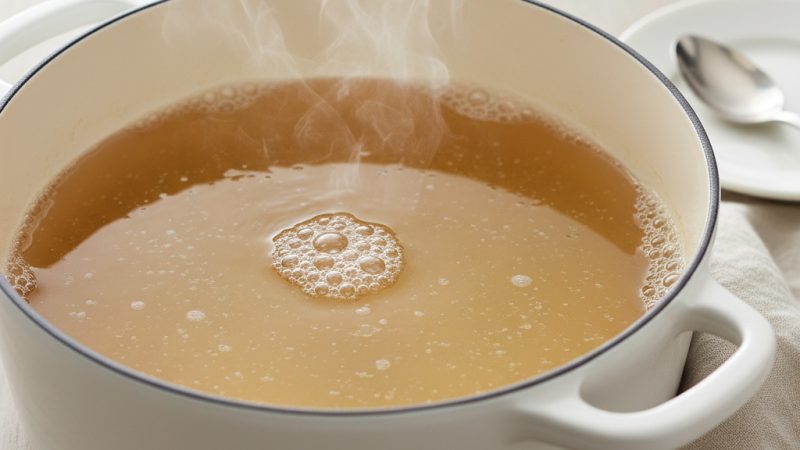 0:12How to Simmer
Cooking a liquid just below a boil so it gently bubbles.
Techniques
Tools that help
Equipment links may become affiliate links, always labeled as such.
Substitutes
Out of red wine? Use this instead
| Substitute | For 1 tbsp | What to know |
|---|---|---|
| Low-Sodium Beef Broth | 1 cup | For beef dishes. Use 1 cup broth plus 1 tbsp red wine vinegar to mimic acidity. |
| Chicken Broth | 1 cup | For poultry and lighter sauces. Add 1 tbsp red wine vinegar per cup. |
| Vegetable Broth | 1 cup | For vegetarian dishes. Add 1 tbsp red wine vinegar per cup. |
| Pomegranate Juice | 1 cup | Use ¾ cup juice + ¼ cup water + 1 tsp vinegar. Slightly sweeter; reduce salt. |
| Nonalcoholic Red Wine | 1 cup | Closest flavor without alcohol; use 1:1 and reduce as usual. |
Nutrition and allergens
Nutrition per tbsp
Per tbsp (15 g)
| Calories | 3 |
| Carbohydrates | 0.0 g |
| Protein | 0.0 g |
| Fat | 0 g |
| Fiber | 0 g (1% DV) |
| Sodium | 1 mg (1% DV) |
| Vitamin C | 0.1 mg (1% DV) |
Calculated from USDA FoodData Central.
Allergens and diets
- Not a major US allergen
Not one of the nine major allergens. Some wines are fined with egg whites, milk casein, or fish isinglass; sensitive drinkers should check the producer or choose bottles labeled vegan. - Alcohol
Flavor pairings
What goes with red wine


FAQ
Red Wine questions
What is a good red wine?
For cooking, pick a dry red you’d drink. Merlot, Pinot Noir, Sangiovese (Chianti), or Cabernet Sauvignon are reliable. For lighter sauces and tomato dishes, choose Pinot Noir or Sangiovese. For beef stews and reductions, use Cabernet or Syrah. Avoid bottles labeled “cooking wine.”
What is the 20 minute wine rule?
A common home tip: chill reds for about 20 minutes before serving to brighten flavors, and take whites out of the fridge about 20 minutes before serving so they’re not too cold. For cooking, serve temperature doesn’t matter - flavor does.
Should you refrigerate red wine for storage?
Short term after opening, yes: recork and refrigerate to slow oxidation; it keeps about 3 to 5 days. Unopened bottles store best cool and dark, ideally 50 to 65°F. Avoid heat and sunlight. Everyday wines are fine at room temperature if it’s not hot.
Should wine be stored standing up or lying down?
Corked bottles: store on their side to keep the cork from drying. Screwcap or synthetic cork: upright is fine. All bottles prefer a cool, dark, vibration-free spot.
What is the best way to store red wine at home after opening?
Recork or cap it tightly and refrigerate. If you have one, use a vacuum pump or inert gas to slow oxidation. Use within 3 to 5 days. For cooking later, freeze leftovers in an ice cube tray and bag them; they keep about 3 months.
Is there a substitute for dry red wine?
Yes. For savory dishes, use 1 cup stock plus 1 tablespoon red wine vinegar per cup of wine. Choose beef stock for beef stews, chicken or vegetable stock for lighter sauces. For zero alcohol with fruit notes, use ¾ cup pomegranate juice + ¼ cup water + 1 teaspoon vinegar.