Ingredient · stocks and broths
Anchovy-Kelp Stock
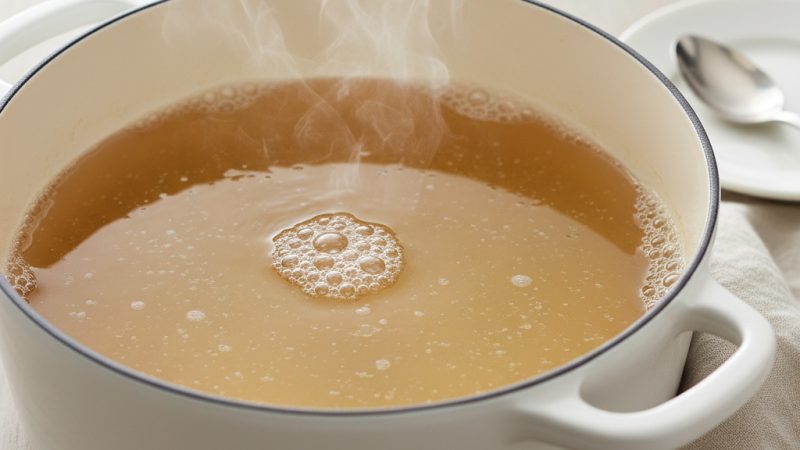
A light Korean stock made by steeping dried anchovies and kelp (dashima/kombu). Clean, briny, and full of umami. It’s the base for tteokbokki, soups, and stews. For 4 cups stock, use about 10 to 12 small dried anchovies (heads and guts removed) and one 4-inch piece kelp; simmer 10 minutes, removing the kelp if it boils hard, then strain.

Anchovy-Kelp Stock recipes
What to cook with anchovy-kelp stock
1 recipe

Forms and products
Which anchovy-kelp stock should you buy?
| Form | Type | Best for |
|---|---|---|
| Homemade basic | Preparation | Tteokbokki, jjigae, guk; clean, balanced flavor |
| Homemade rich | Preparation | Heavier stews; sweeter, rounder stock. Remove kelp before a hard boil to avoid bitterness |
| Stock packets | Product | Fast and consistent; great weeknight option |
| Powder | Product | Season-as-you-go soups and braises; salty |
| Concentrate | Product | When you need small amounts quickly |
Basic anchovy-kelp
Classic, clear stock from dried anchovies and kelp only. Neutral and versatile.
Richer with radish/aromatics
Adds Korean radish (mu), onion, or scallion greens for sweetness and body; common for jjigae.
Anchovy-only
Made without kelp when kelp isn’t on hand. Sharper, more anchovy-forward.
Buy and store
How to pick and store anchovy-kelp stock
At the store
- For stock, choose small or medium dried anchovies labeled for soup; they give clean flavor.
- Anchovies should look silvery and dry, not oily or yellowed. A rancid or paint-like smell means they’re old.
- Choose kelp (dashima/kombu) that’s dark and dry with a white powdery bloom (natural mannitol), not fuzzy mold.
- Stock packets/powders are convenient. Check sodium and any added flavorings if you want a cleaner taste.
| How it's kept | Where | About how long |
|---|---|---|
| Homemade stock | Fridge in airtight container | 3 to 4 days |
| Homemade stock | Freeze in 1- to 2-cup portions | 2 to 3 months for best quality; thaw in fridge |
| Dried anchovies (unopened) | Cool, dark pantry | Several months; check date |
| Dried anchovies (opened) | Airtight container in the fridge | Up to 2 months |
| Dried anchovies (opened) | Airtight bag in the freezer | Up to 6 months for best flavor |
| Dried kelp | Sealed in cool, dry pantry | Up to a year; longer if frozen airtight |
| Stock packets/powders (opened) | Sealed, cool and dry | Follow label; typically months |
Food safety. Refrigerate homemade stock within 2 hours. Reheat leftovers to 165°F (74°C). Discard if it smells sour or shows signs of spoilage.
Prep
How to prep anchovy-kelp stock
Each technique has one short video. The same clip plays inside every recipe step that uses it.
Techniques
Tools that help
Equipment links may become affiliate links, always labeled as such.
Substitutes
Out of anchovy-kelp stock? Use this instead
| Substitute | For 1 cup | What to know |
|---|---|---|
| Dashi | 1 cup | Japanese kombu-katsuobushi dashi gives a similar light, oceanic base. Slightly smokier from bonito. |
| Chicken Stock | 1 cup low-sodium + ½ to 1 tsp fish sauce | Good when you’re out of anchovies; adds body with a hint of the sea. |
| Kelp Stock | 1 cup | Vegetarian. Steep 1 piece kelp (4 inches) in hot water 20 to 30 minutes; clean but less briny. |
| Mushroom Stock | 1 cup | Vegetarian umami. Works in soups and stews that can handle an earthier note. |
| Seafood Stock | 1 cup | Fuller seafood flavor; use low-sodium and dilute if needed for lighter dishes. |
Flavor pairings
What goes with anchovy-kelp stock


FAQ
Anchovy-Kelp Stock questions
What is the Korean version of dashi?
Myeolchi-dashima yuksu - anchovy-kelp stock. You simmer dried anchovies and kelp (dashima/kombu) in water for a few minutes, then strain. It’s the clean, umami base for many Korean soups, stews, and tteokbokki.
How to make Korean soup stock?
For 4 cups, remove heads and guts from 10–12 small dried anchovies. Combine with one 4-inch piece kelp and 4 cups cold water. Bring just to a simmer, hold 10 minutes, remove kelp if it nears a boil, then strain. Use right away or chill.
What is Korean anchovies stock?
It’s a light broth made from dried anchovies and kelp. Anchovies bring savory depth; kelp adds clean ocean sweetness. The stock tastes briny but not fishy and is used for dishes like tteokbokki, jjigae (stews), and noodle soups.
Is eating dried anchovies healthy?
Dried anchovies provide protein, omega‑3 fats, calcium, and iodine. They are salty, so watch sodium if needed. Enjoy in moderation and as part of varied meals. If you’re sensitive to fish allergens, avoid them.
What do Koreans do with dried anchovies?
Two main uses: make stock (remove heads and guts, then simmer with kelp) and stir-fry them for banchan (myulchi bokkeum). Medium or small anchovies go to stock; larger ones are often for side dishes or snacks.