Ingredient · Cereal starch
Cornstarch
A fine starch that thickens sauces as they come to a simmer. Gluten-free. Stir it into cold liquid first so it does not clump.

Cornstarch recipes
What to cook with cornstarch
2 recipes


Forms and products
Which cornstarch should you buy?
| Form | Type | Equals 1 tsp | Best for |
|---|---|---|---|
| Slurry | Preparation | 1 tbsp cornstarch + 1 tbsp cold water thickens about 1 cup to medium | Gravies, stir-fries, pan sauces; add at the end and simmer 1 minute to set. Stir again just before adding; starch settles fast |
| Dredge | Preparation | Light dusting | Extra-crisp pan-frying; mix 1:1 with flour or use straight for gluten-free |
| Velveting | Preparation | About 1 tbsp per lb meat with egg white or water | Chinese-style tender chicken or beef before stir-fry |
| Batter | Preparation | Swap ¼ to ½ of flour with cornstarch | Crispy tempura-style batters; lighter crust |
| Custard pie filling | Preparation | 2 to 3 tbsp per 2 cups liquid | Puddings and fruit pies; turns clear and glossy |
Conventional cornstarch
Most boxes on US shelves. Neutral flavor; good general thickener.
Organic or non-GMO cornstarch
Same use; choose for farming or labeling preferences.
Waxy maize starch
Professional product that tolerates long cooking/freezing better. Not always in supermarkets.
Buy and store
How to pick and store cornstarch
At the store
- Look for boxes or tubs labeled 100% cornstarch. It should be a fine, dry, lump-free powder.
- Pick intact packaging. Moisture causes hard clumps and off smells.
- If you avoid GMOs, choose a box labeled organic or non-GMO.
- For frequent use, a resealable tub keeps out humidity better than a paper box.
| How it's kept | Where | About how long |
|---|---|---|
| Unopened, dry | Pantry, cool and dry, tightly closed | Indefinitely |
| Opened, dry | Pantry, airtight container; avoid steam and humidity | Years; quality is best within 1 to 2 years |
| Pre-mixed slurry | Fridge, covered | Up to 24 hours; stir before using |
| Coating on meat (velveting) | Fridge | Use within 24 hours |
| Cooked sauces thickened with cornstarch | Fridge, covered | 3 to 4 days; reheat gently and simmer 30 to 60 seconds to re-gel |
Food safety. Cornstarch dust can irritate lungs if inhaled. Keep away from faces, especially babies. Use in food only; baby powders are for external use.
Food safety. To avoid clumps, add a cornstarch slurry to simmering liquid while whisking; do not add to a rapid boil. Bring the sauce back to a simmer and cook for 1 minute to fully thicken and cook out any raw starch taste. Refrigerate leftovers within 2 hours and reheat to 165°F (74°C).
Prep
How to use cornstarch
Each technique has one short video. The same clip plays inside every recipe step that uses it.
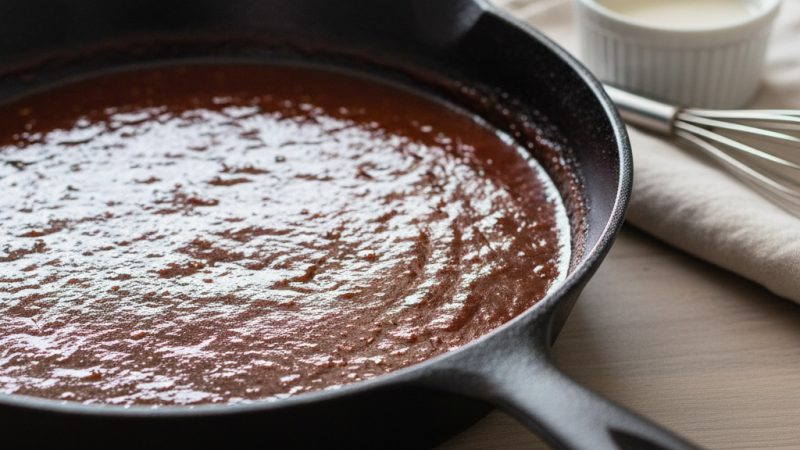 0:06How to Make a Slurry
Mix starch with cold liquid, then whisk it into hot soup, sauce, or gravy to thicken.
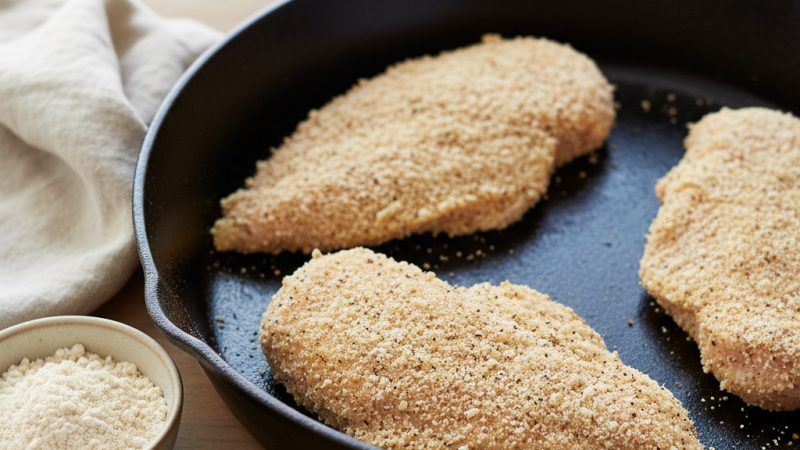 0:12How to Dredge
Coat food lightly and evenly with dry ingredients (usually flour) before cooking.
Techniques
Tools that help
Equipment links may become affiliate links, always labeled as such.
Substitutes
Out of cornstarch? Use this instead
| Substitute | For 1 tsp | What to know |
|---|---|---|
| Arrowroot Starch | 1 tbsp | Good 1:1 swap. Shines in clear sauces and fruit fillings. Works well with acidic liquids and freezes better than cornstarch. |
| Potato Starch | 1 tbsp | 1:1 in most uses. Great for crisp coatings and gentle reheating. Avoid boiling hard after thickening. |
| Tapioca Starch | 1 tbsp | Also called tapioca flour. Freezer-stable and glossy. Can give a slight chew in sauces. |
| All-Purpose Flour | 2 tbsp | Use about twice as much. To avoid lumps, first mix the flour into a cold liquid to make a slurry or cook it with fat to make a roux. The sauce will be opaque and needs to simmer for a few minutes to cook out any raw flour taste. |
| Rice Flour | 2 tbsp | Useful gluten-free thickener and dredge. Slightly grainier; whisk well and simmer to hydrate. |
Nutrition and allergens
Nutrition per tsp
Per tsp (3 g)
| Calories | 11 |
| Carbohydrates | 3 g |
| Protein | 0.0 g |
| Fat | 0.0 g |
| Fiber | 0.0 g (1% DV) |
| Sodium | 0.3 mg (1% DV) |
| Vitamin C | 0 mg (1% DV) |
Calculated from USDA FoodData Central.
Allergens and diets
- Not a major US allergen
Naturally gluten-free and not one of the nine major allergens. Corn allergy is possible. Some facilities also process wheat - check labels if you’re sensitive to cross-contact. - Fodmap: low
Pure starch is low-FODMAP. Use normal recipe amounts. - Blends
Powdered sugar often contains cornstarch. Packaged gravies and soups may list modified food starch; check labels for allergens and gluten-free claims.
Flavor pairings
What goes with cornstarch

FAQ
Cornstarch questions
What are some ways to cook with cornstarch?
Use it as a slurry to thicken gravies, stir-fries, and pie fillings (about 1 tablespoon per cup liquid). Dust meat for crisp pan-frying or to velvet before a stir-fry. Swap ¼ to ½ of flour with cornstarch in batters for a lighter crust.
What is corn starch?
Cornstarch is the pure starch extracted from the endosperm of corn kernels. It’s a fine, white powder with no gluten or flavor. In cooking, it thickens liquids as they reach a simmer and turns sauces clear and glossy. It’s also used for crisp coatings and baking.
Should you refrigerate cornstarch?
No. Keep cornstarch in a cool, dry pantry in an airtight container. Refrigerators are humid; moisture causes clumping and spoilage. Store away from stove steam. Always use dry measuring spoons and re-close promptly to keep it free-flowing and effective for thickening.
Can I use 10 year old cornstarch?
If it’s dry, lump-free, and smells neutral, it’s fine to use. Cornstarch is shelf-stable indefinitely when kept airtight and dry. If it smells stale, shows pests, or has hard, damp clumps that won’t sift apart, discard it and open a fresh box.
How long does cornstarch stay good once opened?
Opened cornstarch keeps for years if stored airtight in a cool, dry pantry. Quality is best within 1 to 2 years, but it doesn’t spoil like flour. Test a small slurry: if it thickens at a simmer, it’s still good. Keep moisture out to prevent clumps.
What is a natural alternative to cornstarch?
Arrowroot, potato starch, and tapioca starch are plant-based, gluten-free thickeners. Use arrowroot or potato starch 1:1 for most sauces; they handle acids well and freeze better. Tapioca starch is also 1:1 and gives a glossy finish, with a slight chew in some sauces.
Why do some people avoid cornstarch?
Most people use cornstarch without issue. Some avoid it because it's a highly refined carbohydrate. If you have a corn allergy, you should not use it. Others choose non-GMO or organic versions to align with their dietary preferences regarding genetically modified organisms.