Ingredient · Tomato products
Canned Tomato Sauce
Smooth, cooked, strained tomatoes packed for the shelf. Thinner than purée, thicker than juice. Mild, savory base for pasta, chili, braises and soups. An 8 oz can is about 1 cup. A 15 oz can is just under 2 cups. Salt varies a lot by brand; “no-salt-added” lets you control seasoning.

Canned Tomato Sauce recipes
What to cook with canned tomato sauce
1 recipe

Forms and products
Which canned tomato sauce should you buy?
| Form | Type | Best for |
|---|---|---|
| Plain | Preparation | Everyday cooking; neutral base for sauces and soups |
| No salt added | Product | Low-sodium cooking; season to taste |
| Italian seasoned | Product | Quick pasta and pizza sauce; already has herbs and salt. Taste before salting - often well seasoned |
| Organic | Product | Same uses; farming method preference |
| Passata | Product | Silky, uncooked strained tomatoes; quick sauces. Slightly thicker and brighter. Thin with a splash of water if swapping 1:1 |
Standard (salted)
Tomatoes, water, salt, and sometimes a little tomato purée for body.
No salt added
Tomatoes without added salt. Good for low-sodium diets and precise seasoning.
Italian seasoned
Salted sauce with basil/oregano/garlic powder. Handy shortcut; adjust salt.
Buy and store
How to pick and store canned tomato sauce
At the store
- Read the label: tomatoes, water, salt. Skip added sugar unless you want a sweeter sauce.
- Pick the style you need: plain for flexibility; no-salt-added for control; seasoned for speed.
- Choose undented, unrusted, unbulged cans. Avoid leaks or swelling lids.
- If liner type matters to you, look for cans labeled BPA-NI (non-intent).
| How it's kept | Where | About how long |
|---|---|---|
| Unopened can | Pantry, cool and dry | Best quality 12 to 18 months |
| Opened, in a container (not the can) | Fridge, airtight | 5 to 7 days |
| Opened, frozen | Freezer, airtight with headspace | 2 to 3 months; thaw in fridge |
| Leftovers in a cooked dish | Fridge, airtight | 3 to 4 days; reheat to 165°F (74°C) |
Food safety. Discard cans that are bulging, leaking, badly dented on seams, or spurt foam when opened. These can signal contamination, including botulism risk.
Food safety. High-acid foods like tomato sauce keep best quality 12–18 months unopened. Past that, quality drops. If the can is intact and sauce smells and looks normal, it’s generally safe; when in doubt, throw it out.
Food safety. Refrigerate within 2 hours of opening. Transfer from the can to a clean container. Use within a week or freeze.
Prep
How to use canned tomato sauce
Each technique has one short video. The same clip plays inside every recipe step that uses it.
 0:12How to Simmer
Cooking a liquid just below a boil so it gently bubbles.
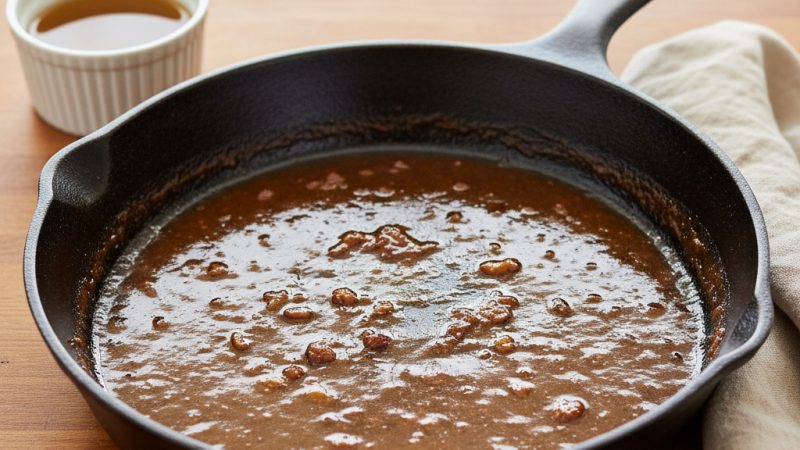 0:12How to Deglaze
Pouring liquid into a hot pan to loosen the browned bits stuck to the bottom.
Clip used in 1,960 recipe stepsTechniques
Tools that help
Equipment links may become affiliate links, always labeled as such.
Substitutes
Out of canned tomato sauce? Use this instead
| Substitute | For 1 cup | What to know |
|---|---|---|
| Tomato Puree | 1 cup | Closest texture and flavor. If very thick, thin with 1 to 2 tbsp water. |
| Passata | 1 cup | Brighter, uncooked flavor. Simmer a few minutes to mellow if needed. |
| Crushed Tomatoes | 1 cup, blended smooth | Blend, then simmer 5 to 10 minutes to thicken slightly. Salt to taste. |
| Tomato Paste | ¼ cup paste + 1 cup water | Whisk smooth. Simmer to taste. Add a pinch of sugar if sharp. |
| Marinara Sauce | 1 cup | Works in many recipes. Reduce added salt and herbs elsewhere; already seasoned. |
Nutrition and allergens
Nutrition per cup
Per cup (245 g)
| Calories | 59 |
| Carbohydrates | 13 g |
| Protein | 3 g |
| Fat | 0.7 g |
| Fiber | 4 g (13% DV) |
| Sodium | 1161 mg (50% DV) |
| Vitamin C | 17 mg (19% DV) |
Calculated from USDA FoodData Central.
Allergens and diets
- Not a major US allergen
Not one of the nine major allergens. Some seasoned sauces include spices or flavorings; check labels if you avoid garlic, onion or other ingredients. - Fodmap: moderate
Tomatoes are concentrated; portions above about ½ cup per meal can bother some. Seasoned sauces may include onion/garlic. Adjust portion and check labels. - Blends
Seasoned sauces can be high in sodium. No-salt-added options are widely available.
Flavor pairings
What goes with canned tomato sauce


FAQ
Canned Tomato Sauce questions
What’s the difference between tomato sauce, purée, and paste?
Tomato sauce is smooth and pourable. Tomato purée is thicker and more concentrated. Tomato paste is a very thick concentrate. You can thin paste with water to mimic sauce, or simmer sauce to reduce toward purée.
How do you make canned tomato sauce taste homemade?
Sauté {onion} in olive oil, add {garlic}, bloom dried oregano or chili flakes, then add {tomato-sauce}. Simmer 10 to 20 minutes. Salt, add a pinch of sugar if sharp, and finish with basil or butter.
Can you use canned tomato sauce on pizza?
Yes. For a quick sauce, stir 1 cup {tomato-sauce} with 1 tsp olive oil, ¼ tsp salt, ½ tsp oregano, and a pinch of sugar. Spread thinly on the dough. For a thicker style, simmer 5 to 10 minutes to reduce.
How much is in common cans of tomato sauce?
An 8 oz can is about 1 cup. A 15 oz can is just under 2 cups. A 29 oz can is about 3½ cups. Brands vary a little; check the label’s net weight if you need precision.
How long should you simmer canned tomato sauce?
For a quick dinner, 10 minutes builds flavor. For deeper flavor and thicker body, simmer 20 to 30 minutes, stirring so it doesn’t scorch. If it gets too thick, add a splash of water or broth and re-season.
Can you freeze leftover tomato sauce?
Yes. Cool quickly, portion into freezer-safe containers or bags, leave headspace, label, and freeze. Use within 2 to 3 months for best quality. Thaw in the fridge and reheat to a simmer; bring leftovers to 165°F (74°C).
How do you make canned tomato sauce taste better?
To balance sharpness from the tomatoes' natural acidity, stir in a pinch of sugar or a little fat like butter or olive oil. To make the flavor brighter, add a splash of lemon juice or vinegar near the end of cooking. A metallic taste can develop if sauce is stored in the can after opening; always transfer leftovers to a glass or plastic container before refrigerating.