Equipment · Pots
Dutch Oven
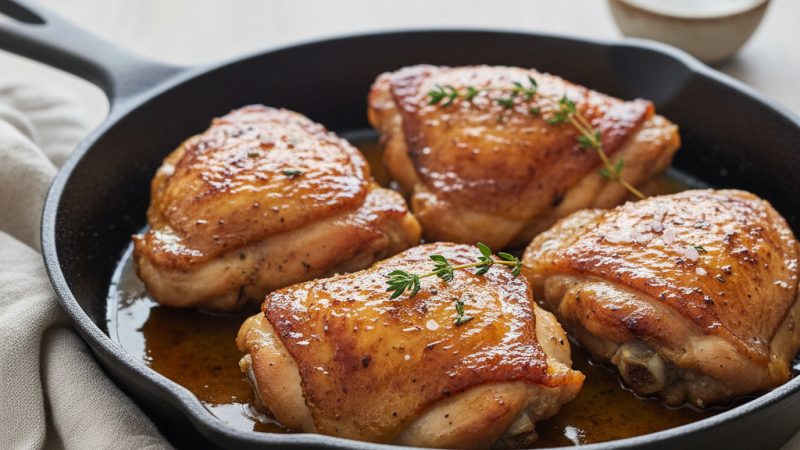
A heavy, deep pot with a lid. The high sides keep splatter in and hold heat for braises and long simmers. Sear in batches so the pieces brown instead of steaming.
bare cast iron
stainless steel (clad)

Dutch Oven recipes
What to cook in a dutch oven
3 recipes


Size
Which size dutch oven do you need?
| Size | Cooking surface | Fits | Good for |
|---|---|---|---|
| 3.5-quart | About 7 to 8 inches across | 1½ to 2 lb beef chuck, 1 small chicken, or a 1-lb loaf of bread | 2 servings |
| 5 to 6-quart | About 9 to 10 inches across | 3 to 4 lb chuck roast or a 3 to 4 lb whole chicken | 4 servings |
| 7 to 8-quart | About 10 to 11 inches across | 5 to 6 lb pork shoulder or large batches of chili | 6 servings |
| 9-quart+ | About 11 inches+ across | Big batch stews or doubled recipes | Heavy when full; make sure you can lift it safely. |
Materials
Enameled cast iron, bare cast iron or stainless steel (clad)?
| Compare | Enameled cast iron | Bare cast iron | Stainless steel (clad) |
|---|---|---|---|
| Searing | Excellent | Excellent | Excellent |
| Pan sauces | Best | Good | Best |
| Heat | Slow to heat; holds heat very well | Slow; holds heat very well | Fast and even |
| Acidic food | Yes | Short simmers only | Yes |
| Oven | Yes | Yes | Usually; check the handle |
| Weight | 10–15 lb | 9–13 lb | 4–7 lb |
| Care | Soak, then use non-scratch scrubbers; avoid banging the rim. | Keep it seasoned; dry and oil after washing. | Soak and use baking soda for stuck bits. |
| Best for | Braises, soups, stews, bread | Camp cooking, deep-frying, baking | Soups, tomato sauces, quick braises |
Care
How to clean and care for a dutch oven
Enameled cast iron
- Cool before washing to avoid thermal shock.
- Soak with warm water; use a nylon brush or non-scratch pad.
- For stains, use a paste of baking soda and water or a non-bleach cleanser.
- Avoid metal utensils that can chip enamel; wood or silicone is safer.
- Dry fully; store with the lid ajar to prevent odors.
Bare cast iron
- Wash while warm with hot water and a drop of soap if needed.
- Dry on the stove over low heat, then rub in a thin film of oil.
- Avoid long acidic cooks; they can strip seasoning.
- If rust appears, scrub, dry, oil, and heat to reseason.
Stainless
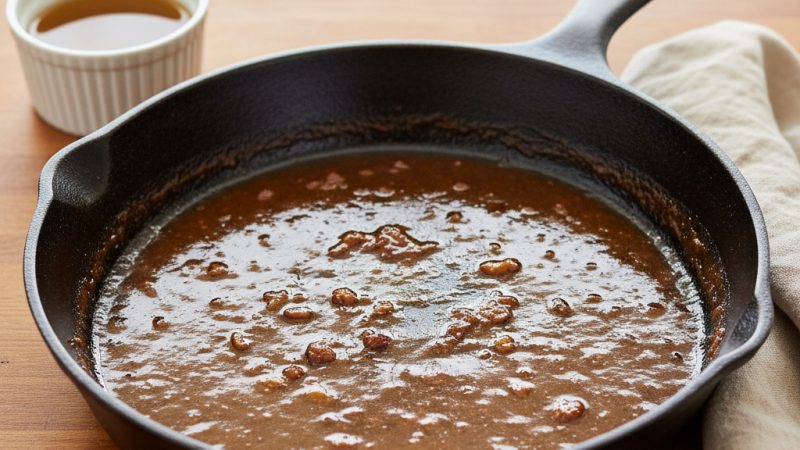
- Deglaze with water, broth, or wine to lift fond.
- For stuck food, simmer water with a spoon of baking soda, then scrub.
- A non-bleach stainless cleaner removes discoloration or rainbow tint.
Techniques
Get the most out of your dutch oven
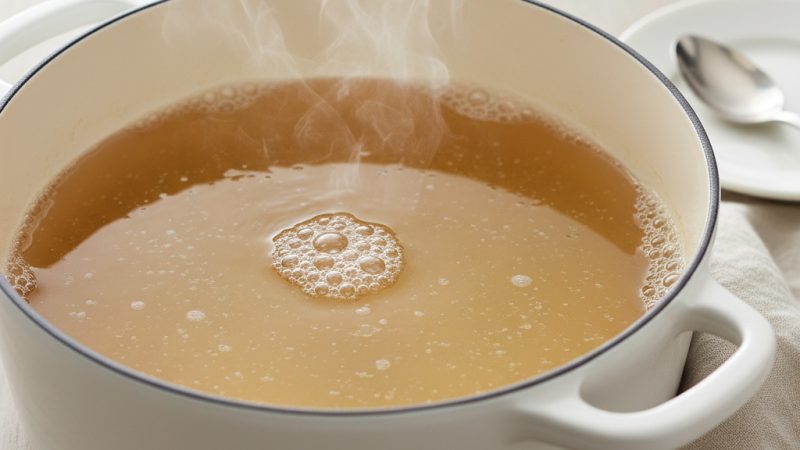
Each technique has one short video. The same clip plays inside every recipe step that uses it.
No dutch oven?
What to use instead of a dutch oven
| Instead | What changes |
|---|---|
| 12-inch sauté pan with lid | More surface area; slightly faster reduction; not as heat-retentive. |
| 8-quart stockpot | Better for large volumes; thinner walls brown less evenly. |
| 12-inch skillet + lid or foil | Good for searing and shallow braises; watch splatter and evaporation. |
| Slow cooker | Braise on Low 6 to 8 hours after searing on the stove; liquids reduce less. |
| Pressure cooker | Cuts braise times; add ½ the usual liquid and adjust salt after cooking. |
Buying
What to look for
- Capacity listed in quarts (5 to 6 qt serves most families)
- Thick, heavy walls and a flat, stable base
- A snug, heavy lid to hold moisture
- Light-colored enamel interior shows browning better
- Oven-safe knob (metal is safest for high heat)
- Smooth enamel with no pinholes, chips, or cracks
- Induction-ready base (most cast iron and clad stainless)
Affiliate links are always labeled. RecipeTag may earn a commission, which never changes what we recommend.
FAQ
Dutch Oven questions
What's a Dutch oven for cooking?
It’s a heavy pot with a tight lid that holds heat and moisture. You use it to sear on the stove, then braise, simmer soups and stews, cook beans and grains, and even bake bread.
What temperature do you cook corned beef in a Dutch oven?
Simmer corned beef in the Dutch oven in a 300°F (150°C) oven until it is fork-tender. While the USDA's minimum safe temperature for beef is 145°F (63°C) with a 3-minute rest, tough cuts like corned beef must cook much longer to a higher internal temperature to become tender.
Why are Dutch oven pots so expensive?
Thick iron and quality enamel cost more to cast and finish. Better models have heavier walls and lids, smoother enamel, tighter tolerances, and stronger knobs and handles.
What replaces a Dutch oven?
Use a lidded 12-inch sauté pan for smaller braises, a stockpot for soups, a slow cooker for set-it-and-forget braises, or a pressure cooker to speed up tough cuts.
What is the difference between a cheap and expensive Dutch oven?
Heft and finish. Pricier pots are heavier with flatter bases, tighter lids, smoother enamel, and more durable knobs. Cheaper ones can run hot spots, chip sooner, or let more moisture escape.
Can I use Bar Keepers Friend on a ceramic Dutch oven?
Yes, on enameled (ceramic-coated) cast iron. Use the Bar Keepers Friend soft cleanser or a gentle paste of the powder cleanser with water. Apply with a soft sponge, rinse thoroughly, and avoid scrubbing aggressively. Do not use it on bare cast iron.
What are the disadvantages of an enameled Dutch oven?
Enameled Dutch ovens are very heavy, especially when full. The enamel coating can also chip if you use metal utensils, knock it against a hard surface, or subject it to sudden temperature changes. They are often more expensive than pots made from other materials.
Related

