Ingredient · Bouillon and soup bases
Beef Bouillon
A concentrated beef soup base sold as cubes, granules, or paste. You dissolve it in hot water to make quick beef broth or add it straight to flavor soups, gravies, and rice. Standard mix: 1 cube or 1 tsp granules or 1 tsp paste + 1 cup hot water = 1 cup beef broth.

Beef Bouillon recipes
What to cook with beef bouillon
1 recipe

Forms and products
Which beef bouillon should you buy?
| Form | Type | Best for |
|---|---|---|
| Cubes | Product | Pan sauces, gravies, camping and travel; easy to portion. 1 cube typically makes 1 cup of broth |
| Granules | Product | Season-as-you-go soups, stews, rice and noodles; dissolves fast. 1 teaspoon typically makes 1 cup of broth |
| Paste base | Product | Richer flavor; great for gravies and slow cooks. 1 teaspoon typically makes 1 cup of broth. Keep refrigerated after opening |
Regular (Salted)
The most common type, with a strong salt and beef flavor for quick seasoning.
Reduced Sodium
Contains about 25% to 50% less sodium than regular versions, depending on the brand. This type lets you control the saltiness of your dish.
Organic or No MSG Added
These varieties focus on specific ingredient standards. Flavor and salt levels vary widely by brand, so check the label.
Buy and store
How to pick and store beef bouillon
At the store
- Pick the format you’ll use most: cubes for portability, granules for quick dissolving, paste for fuller flavor.
- Check sodium per serving. If you use it to season directly, consider reduced-sodium versions.
- Read the ingredient list for allergens and whether it contains MSG, yeast extract, or added sugar.
- For paste bases, choose jars with safety seals and intact lids; keep cold after opening.
| How it's kept | Where | About how long |
|---|---|---|
| Cubes or granules, unopened | Cool, dark, dry pantry | Up to about 2 years; follow the date on the package |
| Cubes or granules, opened | Airtight in a cool, dry pantry | About 1 year for best flavor |
| Paste base, unopened | Pantry until opened (check label) | Until the date on the jar |
| Paste base, opened | Fridge, tightly sealed; use a clean spoon | Up to 6 months; follow the label |
| Prepared broth (from bouillon) | Fridge in an airtight container | 3 to 4 days |
| Prepared broth (from bouillon), frozen | Freezer in an airtight container | 2 to 3 months for best quality |
Food safety. Refrigerate prepared broth within 2 hours. Reheat leftovers to 165°F (74°C).
Food safety. Refrigerate paste-style bases after opening and keep the rim clean to prevent spoilage.
Prep
How to use beef bouillon
Each technique has one short video. The same clip plays inside every recipe step that uses it.
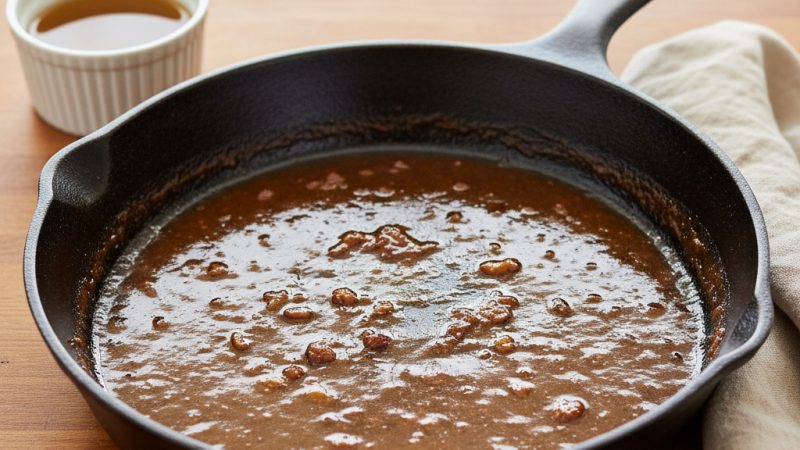 0:12How to Deglaze
Pouring liquid into a hot pan to loosen the browned bits stuck to the bottom.
Clip used in 1,960 recipe steps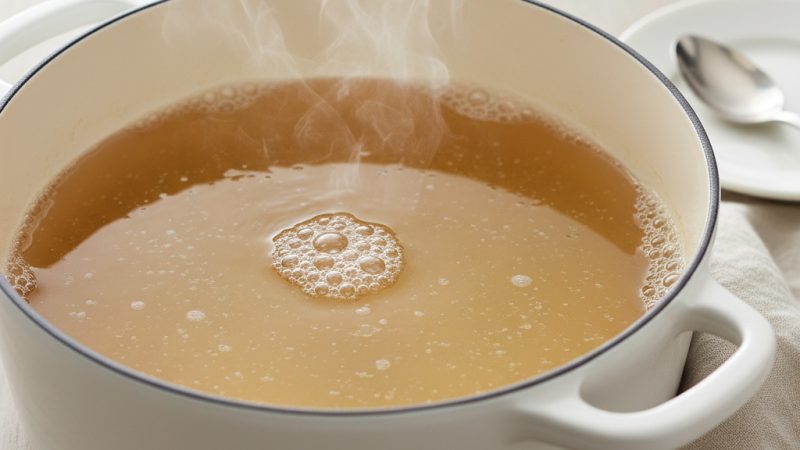 0:12How to Simmer
Cooking a liquid just below a boil so it gently bubbles.
Techniques
Tools that help
Equipment links may become affiliate links, always labeled as such.
Substitutes
Out of beef bouillon? Use this instead
| Substitute | For 1 cube | What to know |
|---|---|---|
| Low-Sodium Beef Broth | 1 cup | Use 1 cup canned or homemade beef broth for 1 cube or 1 tsp bouillon. Reduce other salt in the recipe. |
| Roasted Beef Base | 1 tsp paste + 1 cup water | Paste-style beef base swaps 1:1 by teaspoon; dissolve in hot water. |
| Chicken Bouillon | 1 cube or 1 tsp + 1 cup water | Lighter flavor but works in many soups, grains and sauces; add a dash of soy or Worcestershire for depth. |
| Mushroom Broth | 1 cup | Vegetarian option with savory depth. Add a little soy sauce for more umami if needed. |
| Tamari | 1 tsp soy sauce + 1 cup water | Quick umami and salt. Add a pinch of garlic powder and a drop of Worcestershire for beefy notes. |
Nutrition and allergens
Nutrition per cube
Per cube (4 g)
| Calories | 9 |
| Carbohydrates | 0.7 g |
| Protein | 0.6 g |
| Fat | 0.4 g |
| Fiber | 0 g (1% DV) |
| Sodium | 1040 mg (45% DV) |
| Vitamin C | 0 mg (1% DV) |
Calculated from USDA FoodData Central.
Allergens and diets
- Not a major US allergen
Not one of the nine major allergens by itself, but many brands contain or may contain milk, soy, or wheat. Always check the label. Some include onion/garlic (high-FODMAP). MSG or yeast extract may be present. - Fodmap: variable
Many bouillons contain onion and garlic. Low-FODMAP cooks often use a certified low-FODMAP or onion/garlic-free brand. - Sodium
Very high in sodium. Taste before salting the dish. If watching sodium, choose reduced-sodium versions and dilute to taste.
Flavor pairings
What goes with beef bouillon


FAQ
Beef Bouillon questions
What exactly is beef bouillon?
It’s a concentrated beef soup base - sold as cubes, granules, or paste - that you dissolve in hot water to make broth. You can also add it straight to soups, gravies, rice, and sauces for salty, beefy flavor. Standard mix: 1 cube or 1 teaspoon with 1 cup water.
Are beef broth and beef bouillon the same thing?
They’re related. Beef broth is ready-to-use liquid. Beef bouillon is concentrated seasoning (dry or paste) that becomes broth when mixed with hot water. Most brands use 1 cube or 1 teaspoon per 1 cup water. Bouillon is saltier and easier to store.
What's a substitute for beef bouillon?
Use 1 cup beef broth for each cube or teaspoon of bouillon. Or mix 1 teaspoon soy sauce in 1 cup water for quick umami, adding garlic powder and a dash of Worcestershire. Mushroom broth works for a vegetarian swap. Taste and adjust salt.
Are beef bouillon cubes healthy?
They’re handy but very high in sodium. Some also contain added sugar, fat, or MSG/yeast extract. If sodium is a concern, pick reduced-sodium versions, use less per cup, and taste before salting. They don’t replace the protein or nutrients of real stock.
What is the healthiest beef bouillon?
There isn’t one best choice for everyone. Look for reduced-sodium options, short ingredient lists, and labels that fit your needs (organic, no MSG, gluten-free). Paste-style bases often taste richer; granules and cubes are lighter and more portable.
Which is better, Knorr or better than Bouillon?
Both work. Knorr cubes/granules are very convenient and salty; good for camping or quick seasoning. Better Than Bouillon (paste) is fuller-bodied and spoonable but must be refrigerated after opening. Pick by taste, sodium level, and how you’ll store it.
How long will beef bouillon last in the fridge?
Paste-style bases last up to 6 months in the fridge after opening; keep the rim clean and use a clean spoon. Prepared broth made from any bouillon keeps 3 to 4 days refrigerated. Always follow the label and discard if you see mold, off odors, or spoilage.
Do you have to refrigerate beef bouillon?
Cubes and granules stay in a cool, dry pantry, tightly sealed. Paste-style bases must be refrigerated after opening. Any broth you mix from bouillon should be refrigerated within 2 hours and used in 3 to 4 days or frozen.
Is beef broth still good after 2 years?
If it’s shelf-stable, unopened, and the can or carton is intact (no bulging, leaking, or rust), it may still be safe, but quality can drop. Open it and check smell and appearance. Once opened, refrigerate and use within 3 to 4 days, or freeze.
Does bouillon powder go bad?
It doesn’t spoil quickly but loses flavor and can pick up moisture. Keep it airtight in a cool, dry place. Use by the package date for best quality. Discard if it smells off, is infested, shows mold, or is hard-caked from moisture.
Is Better Than Bouillon still good to use after the expiration date?
Dates guide quality. If the jar has been continuously refrigerated after opening, the seal is sound, it smells normal, and there’s no mold, it may still be usable. When in doubt, follow the label, and discard any product with off odors, mold, or spoilage.
How to store bouillon cubes long term?
Keep them cool, dry, and dark in airtight packaging. Reseal opened boxes in jars or freezer bags with the air pressed out. Freezing (sealed to prevent moisture) helps preserve flavor. Avoid heat and humidity; both can melt or cake bouillon.