Equipment · Pans
Sauté Pan
A wide pan with straight sides and a lid for searing, shallow-frying and pan sauces. For 4 to 6 chicken thighs, use a 12-inch (about 5‑quart) sauté pan so they brown well and the lid fits for a quick braise.
nonstick
hard-anodized aluminum (nonstick)

Size
Which size sauté pan do you need?
| Size | Cooking surface | Fits | Good for |
|---|---|---|---|
| 9½-inch (3-quart) | About 9½ inches | 2 to 3 chicken thighs | 2 servings |
| 11-inch (4-quart) | About 11 inches | 3 to 4 chicken thighs | 3 servings |
| 12-inch (5-quart) | About 12 inches | 4 to 6 chicken thighs | 4 servings |
| 12-inch deep (6-quart) | About 12 inches; taller sides | 6 to 8 chicken thighs | Heavier; heats a bit slower but holds more liquid. |
Materials
Which material for a sauté pan?
| Compare | Stainless steel | Nonstick | Hard-anodized aluminum (nonstick) | Cast iron | Carbon steel |
|---|---|---|---|---|---|
| Searing | Excellent | Fair | Fair | Excellent | Excellent |
| Pan sauces | Best | Good but no fond | Good but no fond | Good | Good |
| Heat | Fast and even (with clad base) | Fast | Even; gentle | Slow; holds heat longest | Fast; holds heat well |
| Acidic food | Yes | Yes | Yes | Short simmers only | Short simmers only |
| Oven | Usually to 500°F (260°C); check handle material | Usually to 400°F (204°C); check maker's limit | Usually to 400°F (204°C); check maker's limit | Yes | Yes |
| Weight | 4–6 lb | 3–5 lb | 3–5 lb | 7–10 lb | 5–7 lb |
| Care | Scrub stuck food with baking soda. | Hand-wash; no metal tools or cooking spray. | Hand-wash; no metal tools. | Dry and oil after washing. | Dry and oil after washing. |
| Best for | Pan sauces, quick braises, deglazing | Eggs, fish, cutlets, sticky foods | Weeknight sautés, one-pan meals | Hard sears, oven finishes, shallow-frying | High-heat searing and quick sautés |
Care
How to clean and care for a sauté pan
Cast iron
- Wash while warm; a little soap is fine.
- Dry on low heat, then rub in a few drops of oil and wipe nearly dry.
- For rust: scrub, oil and bake upside down at 450°F for 1 hour.
Stainless
- Preheat, then add oil to reduce sticking.
- Deglaze with wine, stock or water to lift fond.
- Boil water with baking soda for stuck food; a splash of vinegar removes rainbow tint.
Nonstick
- No metal tools or cooking spray.
- Do not preheat empty on high; keep under the maker’s oven limit.
- Wash by hand; replace if the coating scratches or flakes.
Carbon steel
- Wash, dry on low heat and wipe with a thin coat of oil.
- Avoid long acidic cooks; re-season if food starts to stick.
Techniques
Get the most out of your sauté pan
Each technique has one short video. The same clip plays inside every recipe step that uses it.
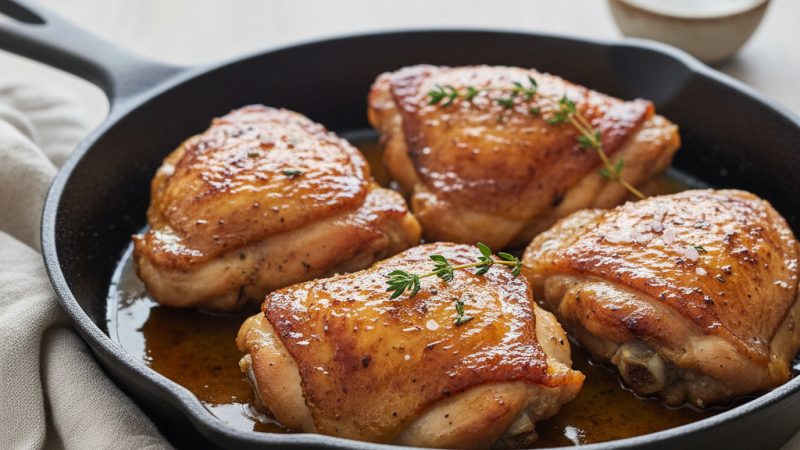
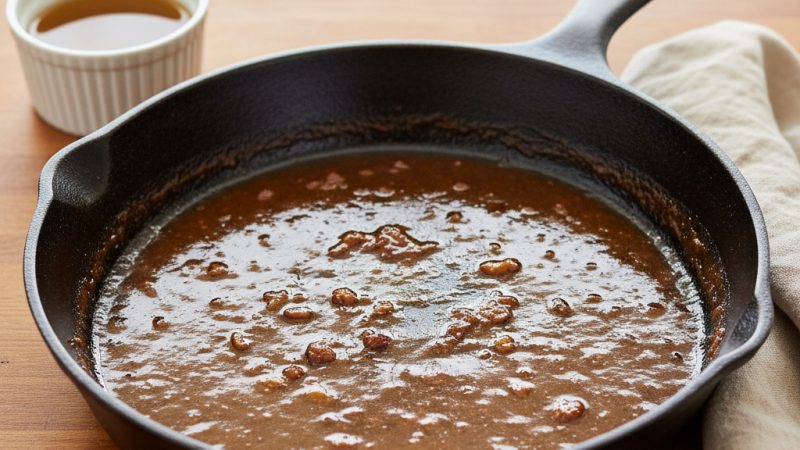
No sauté pan?
What to use instead of a sauté pan
| Instead | What changes |
|---|---|
| 12-inch skillet | Works for most tasks; sloped sides toss food better but hold a bit less liquid. |
| 5-quart Dutch oven | More room for liquid; slower evaporation and browning on the sides. |
| 3-quart saucepan | Good for simmering and reductions; less surface for searing. |
| Sheet pan at 425°F | Roast instead of sauté; make any sauce in a small saucepan. |
Buying
What to look for
- Straight sides 2½ to 3 inches tall
- Diameter 11 to 12 inches (about 4 to 5 quarts) for families
- Heavy, flat base; clad or disc-bottom for even heat
- Snug, oven-safe lid
- Oven-safe handle and a helper handle
- Riveted handles you can grip with a mitt
- Measurement marks inside (nice to have)
- Induction: a magnet sticks to the base
Affiliate links are always labeled. RecipeTag may earn a commission, which never changes what we recommend.
FAQ
Sauté Pan questions
What do professional chefs use for non-stick pans?
For true nonstick, many pros use PTFE-coated pans for eggs and delicate foods, and replace them when worn. For most other tasks they use stainless steel or carbon steel with proper preheating and oiling.
What do you use a sauté pan for cooking?
Searing cutlets, sautéing vegetables, shallow-frying, making pan sauces and quick braises. The straight sides and lid hold in splatter and liquid.
What pans do Italian chefs use for pasta?
A large sauté pan or a similar wide pan, sometimes called a saltapasta. The wide surface is ideal for tossing pasta with sauce to coat it evenly as the sauce reduces.
What type of pan is best for sauces?
A clad stainless sauté pan or saucepan. Stainless builds fond and deglazes cleanly, and it handles acidic ingredients.
Which pans to stay away from?
Avoid warped or deeply scratched nonstick pans, unknown nonstick coatings with flaking, and pans with loose handles. Skip very thin, lightweight pans that scorch easily.
What size sauté pan to get?
For 1 to 2 people, a 9½-inch (about 3-quart). For 3 to 4, an 11-inch (about 4-quart). For 4 to 6, a 12-inch (about 5-quart). Make sure pieces fit in a single layer.
What is the best pan for oven cooking?
For sear-to-oven meals, use cast iron, carbon steel or oven-safe clad stainless. Check handle and lid limits. Nonstick often has lower oven caps.
What is the healthiest non-stick pan to cook in?
Use reputable PTFE or ceramic-coated pans within their heat limits. Avoid overheating, avoid aerosol sprays and replace the pan if the coating wears. Stainless or cast iron are good non-coated options with proper technique.
What cookware do most professional chefs use?
Stainless steel and carbon steel for most stove work; cast iron for high heat and oven; nonstick only for specific tasks like eggs and crêpes.
How to clean brown stains off pans?
For stainless, simmer water with baking soda, then scrub; Bar Keeper’s Friend helps with tint and stains. For cast iron, scrub, dry and re-oil. Avoid abrasives on nonstick.
How to clean cooked grease from a nonstick pan?
Wipe out oil, wash warm with a soft sponge and a drop of soap, and soak briefly if needed. For a film, simmer water with a little baking soda, cool and rinse. No steel wool.
How do I clean a seasoned pan?
For cast iron or carbon steel, scrub with hot water and a brush or salt paste, dry over low heat, then wipe on a thin coat of oil. Re-season if dull or sticky.
Related


