Ingredient · Fermented beverages
Beer
A fermented drink made from malt, hops, yeast and water. In cooking it adds malty depth, gentle bitterness, and - when cold and freshly opened - lift from its bubbles. For batters (like fish and chips), use very cold, freshly opened lager. Stir just until the flour is moistened to keep it crisp.

Beer recipes
What to cook with beer
1 recipe

Forms and products
Which beer should you buy?
| Form | Type | Best for |
|---|---|---|
| Cold | Preparation | Batters and tempura; colder beer makes lighter, crisper results |
| Flat | Preparation | Stews, braises and breads; whisk or let sit to lose bubbles |
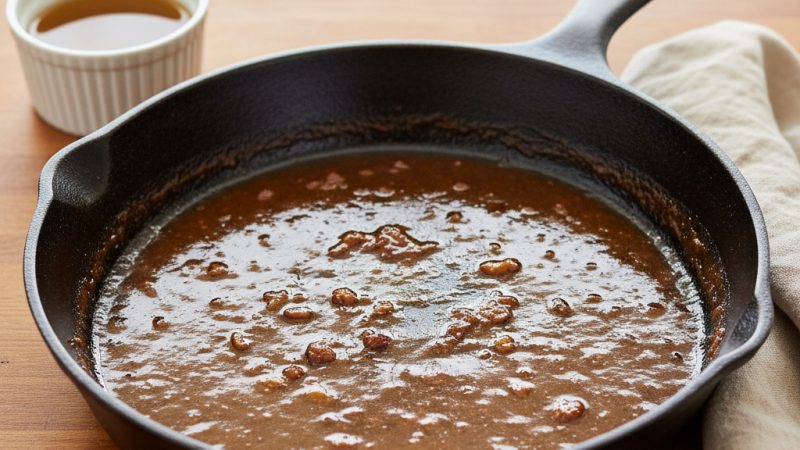
| Reduced | Preparation | Pan sauces; simmer to concentrate, then balance bitterness with sweetness or cream |
| Non alcoholic | Product | All uses when avoiding alcohol; pick a style that fits the dish. Most NA beers contain up to 0.5% ABV; check the label |
Lager
Clean, crisp, lightly malty. Great for beer batter, brats, and deglazing pan sauces without strong hop bitterness.
Pilsner
A type of pale lager with more hop bite. Works in batter and light sauces; bitterness shows if you reduce it far.
Pale ale & IPA
Fruity, hoppy, sometimes bitter. Use in chili, braises and cheese sauces. Add late or reduce gently to avoid harshness.
Stout & porter
Dark, roasty, coffee-cocoa notes. Good for beef stew, pot roast, chili, and baking (chocolate cake, bread).
Wheat beer
Soft, bready, sometimes citrusy. Nice with seafood, mussels, and batters; lower bitterness than many ales.
Buy and store
How to pick and store beer
At the store
- Check the date code or “best by.” Fresher tastes brighter; hop-forward styles fade fastest.
- Choose cans or brown bottles. Light skunks beer; avoid clear or green bottles kept in bright light.
- Match the style to the job: lager for batters, stout for stews and cakes, pale ale for chili and cheese sauces.
- If avoiding alcohol, pick a non-alcoholic beer in a similar style; taste it first for bitterness and sweetness.
| How it's kept | Where | About how long |
|---|---|---|
| Unopened cans or bottles | Cool, dark place or the fridge, upright | Follow the date on the package; fresher is better, especially for hoppy beers |
| Opened beer | Covered in the fridge | Best within 1 to 2 days for cooking; flavor goes flat quickly |
| Leftover for cooking | Freeze in ice cube trays, then bag airtight | Several months; use straight from frozen in stews and sauces |
| Keg (tapped) | Refrigerated, under CO₂ | Follow the brewery or retailer; freshness depends on handling |
Food safety. Simmering reduces alcohol but does not remove it completely. If you need to avoid alcohol, use labeled non-alcoholic beer or another substitute.
Food safety. Do not heat unopened cans or bottles; pressure can build and burst. Never freeze glass bottles.
Food safety. Most beer is brewed from barley or wheat and contains gluten. Gluten-free beers exist; look for products labeled gluten-free.
Prep
How to prep beer
Each technique has one short video. The same clip plays inside every recipe step that uses it.
Techniques
Tools that help
Equipment links may become affiliate links, always labeled as such.
Substitutes
Out of beer? Use this instead
| Substitute | For 1 can-12-oz | What to know |
|---|---|---|
| Club Soda | 1 cup | For batters when you want lift without alcohol or bitterness. Yields a light, crisp crust. |
| Seltzer Water | 1 cup | Neutral fizz for tempura and pancakes. Keep it very cold for best rise. |
| Non Alcoholic Beer | 1 cup | Closest flavor match without the alcohol. Pick a similar style (lager for batter, stout for stews). |
| Chicken Broth | 1 cup | For stews and braises. Add 1 to 2 tsp vinegar or mustard to mimic beer’s tang. |
| Ginger Ale | 1 cup | For sweeter batters and quick breads. Adds lift and mild spice; reduce added sugar if needed. |
Nutrition and allergens
Nutrition per can-12-oz
Per can-12-oz (355 g)
| Calories | 103 |
| Carbohydrates | 6 g |
| Protein | 0.9 g |
| Fat | 0 g |
| Fiber | 0 g (1% DV) |
| Sodium | 14 mg (1% DV) |
| Vitamin C | 0 mg (1% DV) |
Calculated from USDA FoodData Central.
Allergens and diets
- Not a major US allergen
Beer itself is not one of the nine major allergens, but many beers contain gluten from barley or wheat. Some use fining agents like isinglass (fish) or gelatin. Check labels or the brewery website if allergens are a concern. - Alcohol
Contains alcohol unless labeled non-alcoholic (NA). NA beers may contain up to 0.5% ABV; check labels. - Gluten
Standard beer contains gluten. Choose certified gluten-free beer if needed. - Vegetarian vegan
Some beers are clarified with isinglass (fish) or gelatin. Seek beers labeled vegan if this matters to you.
Flavor pairings
What goes with beer


FAQ
Beer questions
Does beer have alcohol?
Yes. Most beer sold in the US is 4% to 7% ABV, but it varies by style and brand. If you want to avoid alcohol, choose a non-alcoholic beer labeled 0.5% ABV or less, or swap in club soda or broth for cooking.
What is the best way to store beer cans?
Keep beer cold, upright, and away from light. A steady fridge is best for flavor, especially for hop-forward beers. If you store at room temperature, choose a cool, dark spot. Don’t let cans heat up in a car or near the stove.
How long can beer be left unrefrigerated?
Flavor holds best when cold, but most unopened beer can sit in a cool, dark pantry until the date on the package. Hop-forward beers fade faster at room temp. Once opened, refrigerate and use within a couple of days for cooking.
How long will homebrew beer last in bottles?
If well sanitized and capped, most homebrew tastes best within a few months, kept cool and dark. Higher-alcohol and dark styles last longer; hop-forward styles fade sooner. Store bottles upright and avoid temperature swings.
Can you drink bottled beer 2 years out of date?
It’s usually safe if sealed and stored cool and dark, but flavor likely declined - especially bitterness, hop aroma, and freshness. Check for off smells or gushers. If it tastes stale but not spoiled, keep it for cooking in stews or batters.
What to do with expired beer?
If sealed and not sour or moldy, cook with it: stew beef, braise brats, steam mussels, make beer bread, or mix a quick batter for onion rings. If it smells skunky or tastes unpleasant, don’t cook with it - pour it out responsibly.