Ingredient · Beef
Beef Chuck Roast
A well-marbled shoulder cut from the chuck. It’s tough when quick-cooked but turns rich and pull-apart tender with long, moist heat. For pot roast, cook gently until fork-tender, usually when the center reaches about 190–205°F (88–96°C). USDA doneness for roasts is 145°F (63°C) plus a 3-minute rest, but that’s too firm for shredding.

Beef Chuck Roast recipes
What to cook with beef chuck roast
1 recipe

Forms and products
Which beef chuck roast should you buy?
| Form | Type | Best for |
|---|---|---|
| Boneless roast | Preparation | Braising, slow cooker, Instant Pot |
| Bone in roast | Preparation | Braising; bones add flavor and help keep moisture |
| Cubed | Preparation | Beef stew and chili; same low-and-slow method. Cut into 1- to 2-inch pieces for stews and chili |
| Shredded cooked | Preparation | Sandwiches, tacos, Mississippi Pot Roast. Yields about 2 to 3 cups of shredded meat per 1 lb of raw roast |
| Frozen | Preparation | Pressure cooker or oven. Do not slow-cook from frozen; thaw first in the fridge |
Chuck eye roast
Well-marbled, from near the rib. Great for pot roast.
Blade roast/7-bone roast
Often bone-in; lots of connective tissue that breaks down beautifully when braised.
Shoulder clod/arm roast
Leaner than blade; still good for braising but a bit drier if overcooked.
Buy and store
How to pick and store beef chuck roast
At the store
- Choose USDA Choice or Prime for more marbling; Select is leaner and can dry out.
- Look for a roast 2½ to 4 lb for most recipes. Thickness and shape should be even.
- Color should be bright cherry-red with creamy white fat. Avoid dark, dry, or gray spots.
- Check the pack date and keep it cold on the way home.
| How it's kept | Where | About how long |
|---|---|---|
| Raw roast (unopened) | Fridge, 34–38°F | 3 to 5 days |
| Raw roast (frozen) | Freezer, airtight wrap | 4 to 12 months |
| Cooked chuck (sliced or shredded) | Fridge, shallow airtight containers | 3 to 4 days |
| Cooked chuck (frozen) | Freezer, airtight | 2 to 3 months |
| Thawed in fridge | Fridge | 3 to 5 days |
Food safety. USDA safe minimum for whole beef roasts is 145°F (63°C) with a 3-minute rest. For pot roast texture, continue cooking to about 190–205°F (88–96°C) until it pulls apart with a fork.
Food safety. Don’t cook a frozen roast in a slow cooker; it can stay too long in the danger zone. Thaw in the fridge, then slow-cook. Cooking from frozen is safe in the oven or pressure cooker with added time.
Food safety. Reheat leftovers to 165°F (74°C). Refrigerate cooked beef within 2 hours (1 hour if above 90°F).
Prep
How to prep beef chuck roast
Each technique has one short video. The same clip plays inside every recipe step that uses it.
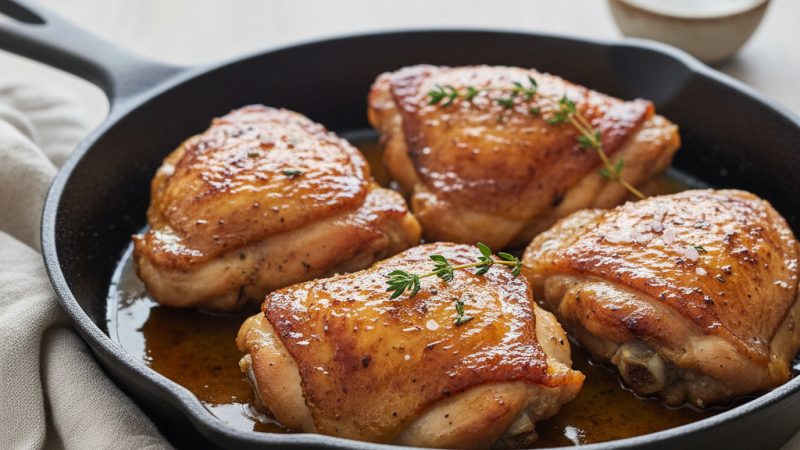 0:12How to Sear
Cook food undisturbed in a hot pan until a brown crust forms. The crust is flavor.
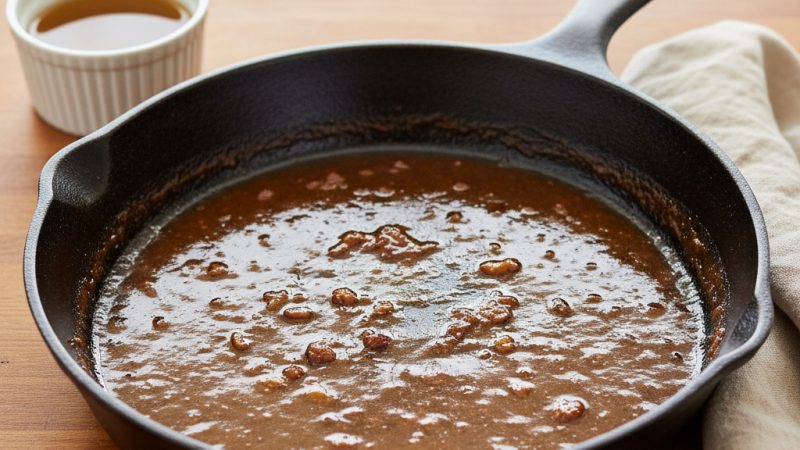 0:12How to Deglaze
Pouring liquid into a hot pan to loosen the browned bits stuck to the bottom.
Clip used in 1,960 recipe stepsTechniques
Tools that help
Equipment links may become affiliate links, always labeled as such.
Substitutes
Out of beef chuck roast? Use this instead
| Substitute | For 1 lb | What to know |
|---|---|---|
| Beef Brisket | 1 lb | Braised low and slow; richer fat cap and longer fibers. Plan extra time. |
| Beef Short Ribs | 1 lb (bone-in adds weight) | Deep flavor and gelatin; great for braising. Skim fat. |
| Beef Bottom Round Roast | 1 lb | Leaner; can be drier. Add more liquid and don’t overcook once tender. |
| Pork Shoulder | 1 lb | Different flavor, similar shredding texture when braised; adjust seasoning (e.g., salt, acid). |
Nutrition and allergens
Nutrition per lb
Per lb (454 g)
| Calories | 1053 |
| Carbohydrates | 0 g |
| Protein | 84 g |
| Fat | 81 g |
| Sodium | 220 mg (10% DV) |
Calculated from USDA FoodData Central.
Allergens and diets
- Not a major US allergen
Beef is not one of the nine major food allergens. Seasoning packets or gravies may contain allergens; check labels. - Fodmap: low
Plain beef is low-FODMAP; watch added onion/garlic and seasoning mixes. - Blends
Pre-seasoned or marinated roasts can include sodium, sugar, gluten, or allergens. Read the label.
Flavor pairings
What goes with beef chuck roast


FAQ
Beef Chuck Roast questions
Is a chuck roast a tender piece of meat?
Not at first. Chuck is from the shoulder and is full of connective tissue. Cook it low and slow with moisture. When collagen melts, the roast turns juicy and fork-tender. Quick cooking leaves it tough; braising or slow-cooking makes it tender.
Is ground chuck the same as chuck roast?
They come from the same primal (chuck) but aren’t the same product. Chuck roast is a whole-muscle cut for braising. Ground chuck is that meat ground, typically around 15–20% fat, used for burgers, meatloaf, and sauces.
How do you make a chuck roast not tough?
Brown it, then cook it covered with liquid at a gentle simmer or 300°F oven until it’s fork-tender - usually 3 to 4 hours for a 3 lb roast. Don’t rush it. Check that the center reaches about 190 to 205°F and shreds easily before you stop.
Is it better to cook a chuck roast in the oven or a crockpot?
Both work. Oven braising gives deeper browning and a slightly reduced, richer sauce. A slow cooker is hands-off and consistent but needs a good sear first and less liquid. Choose based on time and equipment; method matters less than cooking until tender.
How long should I cook a 3 lb chuck roast in the oven?
After searing, braise covered at 300°F with aromatic liquid. Plan about 3 to 3½ hours, but go by tenderness. It’s ready when a fork slides in with little resistance and the meat shreds - usually near 190 to 205°F in the center.
Can you overcook chuck roast in a crockpot?
Yes. Past tender, the muscle fibers can dry out and the sauce can get greasy as fat renders. Use low heat 8 to 10 hours (or high 4–6) for a 3 lb roast, and stop when it’s just fork-tender. Keep it on “warm” only briefly.