Ingredient · Beef
Beef Shank
The lower leg of the steer, loaded with connective tissue and a marrow bone. It’s tough by nature, but slow, moist cooking turns it silky and rich. Cook it until tender, not just “done.” Braise gently until a fork slides in and the meat pulls from the bone, usually 2½ to 3½ hours, or pressure-cook 45 to 60 minutes with natural release.

Beef Shank recipes
What to cook with beef shank
1 recipe

Forms and products
Which beef shank should you buy?
| Form | Type | Best for |
|---|---|---|
| Cross cut bone in | Preparation | Braises and stews; classic osso buco-style slices 1 to 1½ inches thick |
| Boneless shank | Preparation | Cut into chunks for stews; slightly faster to tender than bone-in |
| Diced shank | Preparation | Chili and long-simmered ragù; holds shape and shreds when finished |
| Shank bones | Product | Stock and bone broth; rich in gelatin from the joints and marrow. Roast bones first for deeper flavor |
| Ground shank | Product | Lean ground beef; good in chilis and sauces where long simmering adds moisture |
Fore shank (front leg)
Often sold as cross-cut slices with a round marrow bone. Slightly leaner; excellent for braising.
Hind shank (rear leg)
Similar use; can be a bit meatier and is common for larger cross-cuts.
Veal shank
Same leg cut from young cattle. Classic for osso buco; milder flavor and cooks a bit faster.
Buy and store
How to pick and store beef shank
At the store
- Look for cross-cuts 1 to 1½ inches thick so they braise evenly without drying.
- Choose pieces with a solid round marrow bone and lots of connective tissue; that’s what turns silky.
- Meat should be firm, moist (not wet), and bright cherry-red. Avoid gray, tacky, or strong-odor pieces.
- Ask the butcher for thicker slices or whole shanks if you plan to shred or make stock.
| How it's kept | Where | About how long |
|---|---|---|
| Raw beef shank (whole or cross-cut) | Fridge, 34° to 40°F, wrapped or airtight | 3 to 5 days |
| Raw beef shank (frozen) | Freezer, best quality in heavy wrap | 6 to 12 months |
| Cooked beef shank (braised) | Fridge, shallow airtight container | 3 to 4 days |
| Cooked beef shank (frozen) | Freezer, airtight | 2 to 3 months |
| Shank bones/stock bones (raw or roasted) | Freezer, airtight bag | 6 to 12 months |
| Beef stock/bone broth | Fridge or freezer | 3 to 4 days in the fridge; 2 to 3 months frozen |
Food safety. Whole beef cuts are safe at 145°F (63°C) with a 3-minute rest. For shank, cook past that for tenderness - braises often finish around 195°F to 205°F internal. Reheat leftovers to 165°F (74°C).
Food safety. Refrigerate within 2 hours. Thaw in the fridge, cold water, or microwave - never on the counter. Keep raw beef separate from ready-to-eat foods.
Prep
How to prep beef shank
Each technique has one short video. The same clip plays inside every recipe step that uses it.
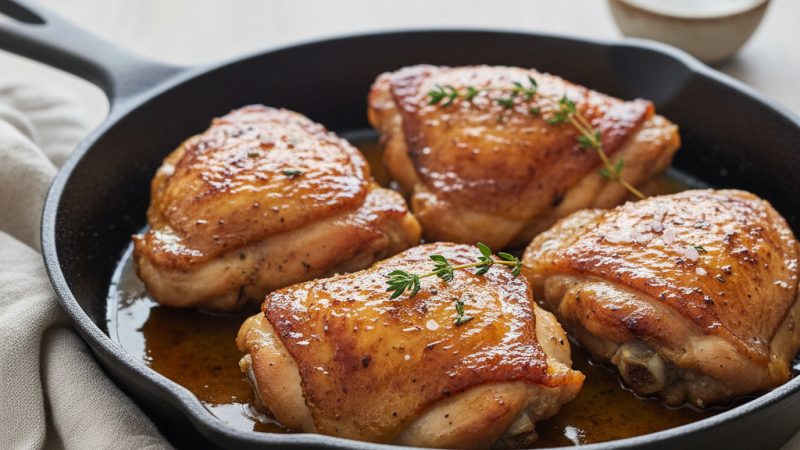 0:12How to Sear
Cook food undisturbed in a hot pan until a brown crust forms. The crust is flavor.
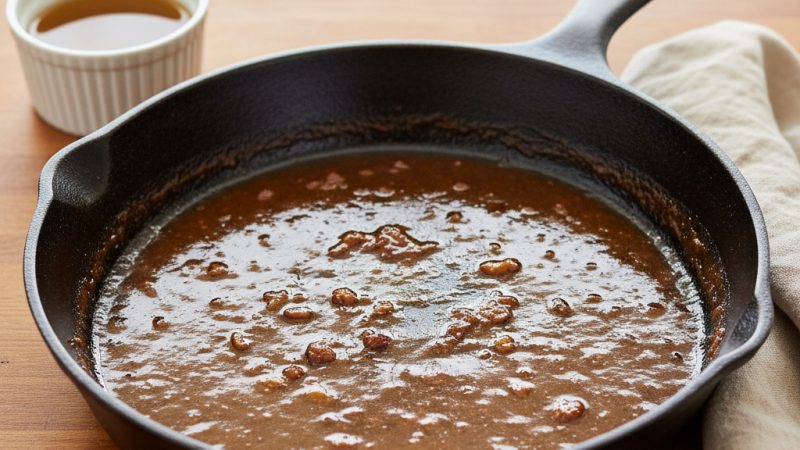 0:12How to Deglaze
Pouring liquid into a hot pan to loosen the browned bits stuck to the bottom.
Clip used in 1,960 recipe stepsTechniques
Tools that help
Equipment links may become affiliate links, always labeled as such.
Substitutes
Out of beef shank? Use this instead
| Substitute | For 1 crosscut | What to know |
|---|---|---|
| Beef Chuck Roast | 1 lb | Best 1:1 for braises and stews. Similar collagen that turns tender with time. |
| Beef Short Ribs | 1 lb bone-in | Richer and fattier; great for the same low-and-slow methods. Reduce added fat. |
| Oxtail | 1 lb | Gelatin-rich and bony; yields intense sauce. Needs long cooking and gives less meat per pound. |
| Pork Shank | 1 lb | Different flavor but similar texture after braising. Salt content varies (hocks can be cured); adjust salt. |
| Lamb Shank | 1 lb | Comparable structure; distinct lamb flavor. Excellent in wine- and herb-based braises. |
Nutrition and allergens
Nutrition per crosscut
Per crosscut (450 g)
| Calories | 576 |
| Carbohydrates | 0 g |
| Protein | 98 g |
| Fat | 17 g |
| Fiber | 0 g (1% DV) |
| Sodium | 284 mg (12% DV) |
| Vitamin C | 0 mg (1% DV) |
Calculated from USDA FoodData Central.
Allergens and diets
- Not a major US allergen
Not one of the nine major food allergens the FDA flags. Check labels on seasoned or marinated shanks. - Blends
Pre-seasoned, injected, or marinated cuts can add sodium and other ingredients. Read the label.
Flavor pairings
What goes with beef shank


FAQ
Beef Shank questions
What is the cut of meat called "beef shank"?
Beef shank is the steer’s lower leg (front or rear). It works hard, so it’s lean and full of connective tissue around a round marrow bone. That collagen makes it tough with quick cooking, but it melts into gelatin with long, moist heat, giving braises a silky body.
What is beef shank called at the grocery store?
Look for “beef shank,” “shank cross-cut,” “beef shin,” or “osso buco” (if sliced like veal osso buco). Some stores group it as “soup bones.” If you don’t see it, ask the butcher to slice cross-cuts 1 to 1½ inches thick from the shank.
Is beef shank easy to find at the grocery store?
It can be. Look for it in the meat case at larger supermarkets, especially in colder months, where it may be labeled “beef shank” or “soup bones.” If you don’t see it, a butcher can usually cut it for you from the whole shank.
Are beef shank bones good for bone broth?
Yes. Shank bones have joints and marrow that release gelatin, giving broth body. For best flavor, roast bones at 425°F until browned, then simmer gently 8 to 12 hours with aromatics. Chill and remove the solid fat cap before storing. Freeze in dated containers.
Is beef shank the same as ribs?
No. Shank is the leg; ribs come from the rib section. Both love low-and-slow cooking, but ribs are fattier and cook a bit faster. Shank is leaner, with more connective tissue that needs time to dissolve for tenderness and a silky sauce.
Does beef shank get softer the longer you cook it?
Up to a point, yes. Collagen turns to gelatin with time and moisture, so shank goes from tough to fork-tender during a long braise or pressure cook. If heat is too high or you run it far past tender, the meat can dry and shred stringy in the sauce.
Why is beef shank an inexpensive cut of beef?
Beef shank is affordable because it is a tough, muscular cut that requires long, slow cooking to become tender. Cuts that can be cooked quickly, like steaks, are in higher demand and cost more.